


Is pulmonary tuberculosis highly contagious?
Dec 01, 2025
Source: Cainiu Health

Dr. Ren Yi
Introduction
During the active phase with sputum smear-positive status, the pulmonary lesions in these patients are highly active. When coughing, expectorating, or sneezing, they expel droplets containing Mycobacterium tuberculosis, which may infect others upon inhalation. Particularly in enclosed spaces, transmissibility is significantly increased. Therefore, proper isolation measures should be implemented to avoid close contact with others and reduce the risk of transmission.
Generally, the contagiousness of tuberculosis varies depending on the condition. Active tuberculosis with positive sputum bacteria is highly infectious, whereas non-active tuberculosis or cases with negative sputum bacteria are less contagious. If in doubt, it is recommended to seek medical advice early. The detailed analysis is as follows:
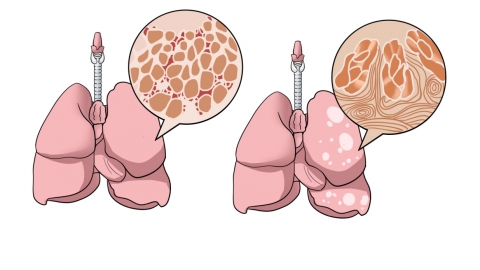
In cases of active tuberculosis with positive sputum bacteria, the lung lesions are in an active state. When patients cough, produce sputum, or sneeze, they release droplets containing Mycobacterium tuberculosis. Others may become infected by inhaling these droplets, especially in enclosed spaces where transmissibility significantly increases. Isolation measures should be taken to avoid close contact with others and reduce transmission risk.
For non-active tuberculosis or cases with negative sputum bacteria, the lesions in non-active patients are stable and generally do not discharge bacteria. Even if patients with negative sputum bacteria are in the active phase, Mycobacterium tuberculosis cannot be detected in their sputum. Both conditions have low infectivity, and normal daily contact usually does not lead to infection. However, patients should still follow medical advice to complete treatment and prevent relapse into an infectious state.
In daily life, avoid prolonged close contact with individuals who have infectious tuberculosis. Wear masks when going out and ensure indoor areas are well-ventilated. If symptoms such as persistent cough, low-grade fever, or night sweats occur, seek medical examination promptly for early detection and treatment.



