


Is it harmful for healthy people to receive the rabies vaccine?
Dec 01, 2025
Source: Cainiu Health

Dr. Liu Wenmin
Introduction
Rabies vaccine is an inactivated vaccine with high safety. For individuals at higher risk of exposure due to occupation (e.g., veterinarians, animal handlers) or accidental contact with animals suspected of carrying the rabies virus, timely vaccination can prevent infection. After vaccination, mild local reactions such as redness and swelling or low-grade fever may occur, but these usually resolve spontaneously within 1–2 days and do not cause long-term health effects.
Under normal circumstances, rabies vaccination poses no significant risks for healthy individuals without a history of vaccine allergies. However, vaccination is not recommended for those with known allergies or certain underlying health conditions. If in doubt, it is advisable to consult a healthcare provider in advance. Detailed analysis is as follows:
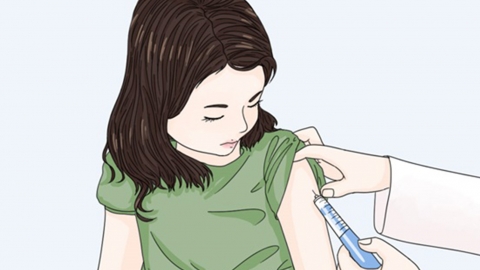
Rabies vaccine is an inactivated vaccine with a high safety profile. For healthy individuals at higher risk of exposure due to their occupation (e.g., veterinarians, animal handlers) or accidental contact with animals suspected of carrying the rabies virus, timely vaccination can prevent infection. After vaccination, mild local reactions such as redness and swelling or low-grade fever may occur, but these typically resolve spontaneously within 1–2 days and do not cause long-term health effects.
Individuals allergic to vaccine components (such as proteins or adjuvants) may experience severe allergic reactions after vaccination, including rash or difficulty breathing. Those with uncontrolled epilepsy, severe neurological disorders, or acute febrile illnesses may face worsening of their existing condition or an increased risk of adverse reactions; vaccination should be postponed until their condition is stable and reassessed by a physician.
Before vaccination, individuals should inform their doctor about their medical history and any allergies. After receiving the vaccine, they should remain under observation for 30 minutes to ensure no immediate adverse reaction occurs before leaving the clinic. Immediate medical attention is required if severe symptoms develop. Routine vaccination is unnecessary for healthy individuals who have not been exposed to the virus.







