


What are the contraindications for vaccination?
Dec 01, 2025
Source: Cainiu Health

Dr. Li Feng
Introduction
Contraindications for vaccination include individuals with allergies to vaccine components, those experiencing an acute illness, patients with uncontrolled severe chronic diseases, pregnant women, and individuals with severe immunodeficiency. Vaccination under these conditions may increase risks or reduce effectiveness. If any of these situations apply or if you have concerns before vaccination, it is recommended to seek medical advice promptly.
Contraindications for vaccination include individuals allergic to vaccine components, those experiencing acute illness, patients with uncontrolled severe chronic diseases, pregnant women, and individuals with serious immunodeficiency. Vaccination under these conditions may increase risks or affect efficacy. If any of these situations apply or if you have concerns before vaccination, it is recommended to consult a healthcare provider promptly.
1. Individuals allergic to vaccine components: Active ingredients or excipients in vaccines may trigger allergic reactions, ranging from mild symptoms such as skin rash and itching to severe outcomes including difficulty breathing and shock. It is essential to inform the doctor of any allergy history prior to vaccination to avoid potential risks.
2. Patients during an acute illness episode: During conditions such as colds with fever, acute gastroenteritis, or pneumonia, the body's immune system is compromised. Vaccination may worsen the illness and interfere with the vaccine’s immune response. Vaccination should be postponed until recovery, followed by medical reassessment.
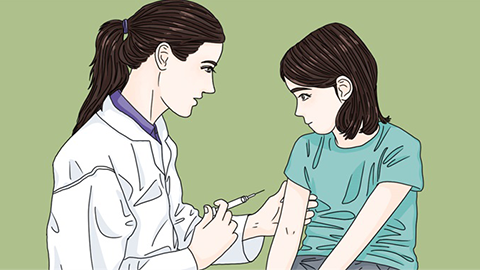
3. Patients with uncontrolled severe chronic diseases: For individuals with unstable severe liver or kidney disease, malignant tumors, severe hypertension, or other serious chronic conditions not yet stabilized, vaccination may increase the risk of adverse reactions. Vaccination decisions should be made by a physician only after the condition has been brought under control.
4. Pregnant women: The safety of most vaccines has not been sufficiently established in pregnant women. To minimize risks and protect fetal health, vaccination is generally not recommended during pregnancy, except in special circumstances strictly under medical guidance.
5. Individuals with severe immunodeficiency: This includes people living with HIV/AIDS or those taking immunosuppressive drugs after organ transplantation. Vaccination in these cases may fail to induce effective immunity and could potentially cause abnormal reactions; therefore, careful medical evaluation is required.
After vaccination, keep the injection site clean and avoid contact with water or scratching. Maintain a light and easily digestible diet, avoid spicy and greasy foods, ensure adequate rest, and refrain from excessive fatigue and strenuous exercise to help the body manage the immune response smoothly.



