


Can the final dose of the rabies vaccine be delayed by two days?

Generally, it is acceptable to delay the final dose of the rabies vaccine by two days. If previous doses were administered on schedule and no significant adverse reactions occurred, such a short delay usually has minimal impact on immune effectiveness. However, if any abnormalities arise, medical advice should be sought. When in doubt, it is recommended to consult a healthcare provider in advance. Detailed analysis is as follows:
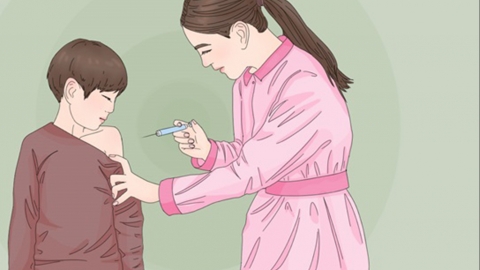
If all prior doses were received according to the recommended schedule, and there are no serious underlying illnesses or allergic reactions, a two-day delay in the final dose due to temporary circumstances typically does not compromise immunity significantly. In such cases, sufficient antibodies have already been generated from earlier doses, so a brief postponement is unlikely to greatly affect the overall protective outcome.
However, if previous doses were already delayed multiple times, or if symptoms such as fever or severe rash occurred during the delay period, or if the vaccination is part of a high-risk post-exposure regimen (e.g., following a severe bite), a two-day delay might have a certain impact on immune response. In these situations, it is important to inform the doctor about the full history when receiving the missed dose, so that they can evaluate whether adjustments to the immunization plan are needed.
Rabies vaccine doses should be administered as close to the recommended schedule as possible. If a dose is delayed, it should be made up as soon as feasible. After vaccination, monitor for local reactions at the injection site; seek medical attention promptly if persistent redness, swelling, or fever above 38.5°C occurs. Personal protection measures should continue to be observed until the full vaccination series is completed, to avoid re-exposure.


