


What are the symptoms during the HIV window period?
Dec 01, 2025
Source: Cainiu Health

Dr. Liu Wenmin
Introduction
In general, the HIV window period refers to the time between infection with the human immunodeficiency virus (HIV) and when antibodies can be detected in the blood. Common symptoms mainly include fever, headache, swollen lymph nodes, skin rash, sore throat, fatigue, and night sweats. Symptoms during the window period are similar to those of a common cold, and some individuals may have mild or no noticeable symptoms. Diagnosis cannot be made based on symptoms alone.
In general, the HIV window period refers to the time from infection with the human immunodeficiency virus (HIV) to when antibodies can be detected in the blood. Common symptoms mainly include fever and headache, swollen lymph nodes, skin rashes, sore throat, fatigue, and night sweats. A detailed analysis is as follows:
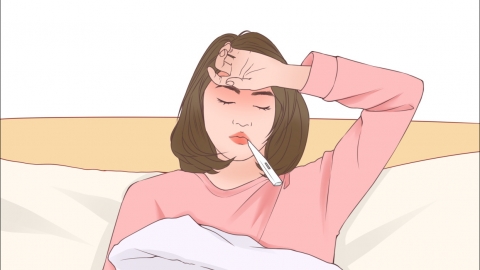
1. Fever and headache: Most individuals experience fever during the window period, with body temperature typically ranging from 37.5°C to 39°C. The fever may be persistent low-grade or intermittent, accompanied by mild dull or throbbing headaches. Although the pain is generally mild, it lasts for a prolonged duration and shows limited relief after taking common antipyretics, often associated with viremia.
2. Swollen lymph nodes: Superficial lymph nodes in areas such as the neck, armpits, and groin are prone to swelling. They are usually bean- to peanut-sized, soft and elastic in texture, non-tender upon palpation, and may appear singly or in clusters. The surface is smooth, and they are mobile. Swelling typically lasts 1–3 weeks before gradually subsiding.
3. Skin rash: Light red maculopapular rashes may appear on the trunk, limbs, and face. Rash morphology varies—some present as macules or papules—with no significant itching or only mild discomfort. Lesions generally do not coalesce and resolve spontaneously within several days without leaving noticeable scars.
4. Sore throat: Symptoms include dryness and pain in the throat, which worsens during swallowing, resembling pharyngitis. Examination reveals congested and swollen pharyngeal mucosa but no obvious purulent discharge. Relief from routine throat-soothing medications is limited.
5. Fatigue and night sweats: Individuals often feel generalized weakness and exhaustion, which worsens with physical activity and cannot be fully relieved by rest, affecting daily work and life. Night sweats are common during sleep, with awakening to find clothes or bedding soaked, particularly evident on the head, neck, and chest.
Symptoms during the window period resemble those of the common cold, and some individuals may have mild or even no noticeable symptoms. Diagnosis cannot be made based on symptoms alone. After potential high-risk exposure, individuals should seek professional testing at a qualified medical institution after the window period to confirm HIV infection status.



