


What are the key points for post-illness care of hepatitis?

Generally, key points for post-illness care in hepatitis include ensuring adequate rest, maintaining a light and balanced diet, strictly following medical instructions for medication, regular follow-up examinations to monitor the condition, and taking personal protective measures to prevent transmission. The details are as follows:
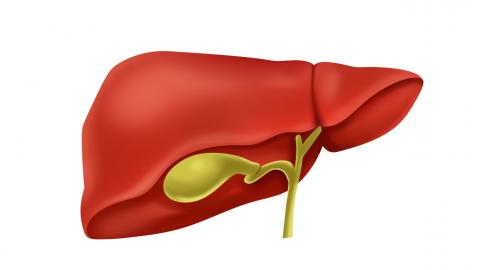
1. Ensure adequate rest: During the recovery period, avoid staying up late and overexertion. Aim for 7–8 hours of sleep daily, and minimize intense physical activity or heavy labor. As the body gradually recovers, light activities such as walking may be moderately increased, provided no fatigue is felt, to support liver repair.
2. Maintain a light and balanced diet: Focus on light, easily digestible foods in daily meals. Increase intake of fresh fruits and vegetables, high-quality protein, and whole grains to meet nutritional needs. Avoid high-fat, high-sugar, spicy, and irritating foods, and strictly abstain from alcohol to reduce the metabolic burden on the liver.
3. Strictly follow medical instructions for medication: Take liver-protective or follow-up treatment medications exactly as prescribed by the doctor. Do not adjust dosage, switch medications, or discontinue treatment without medical advice. Avoid unverified supplements with potentially hepatotoxic ingredients. Always consult a physician before taking any new medication to prevent further liver damage.
4. Regular follow-up to monitor the condition: After illness, patients should regularly return to the hospital for复查 (review) of liver function, viral load, liver ultrasound, and other relevant indicators, according to the doctor’s recommended schedule. These check-ups help track liver recovery and allow early detection of abnormalities, enabling timely adjustment of treatment or care plans.
5. Practice personal protection to prevent transmission: For viral hepatitis, maintain good personal hygiene after illness. Do not share toothbrushes, razors, eating utensils, or other personal items with others to avoid transmission through blood or bodily fluids. Use protective measures during sexual activity. Female patients should consult their doctors before planning pregnancy and take appropriate steps for mother-to-child transmission prevention.
Post-hepatitis care requires long-term commitment; vigilance should not be relaxed even if symptoms improve. Seek medical attention promptly if symptoms such as fatigue, jaundice, or abdominal bloating occur. Maintain a positive mindset and avoid anxiety to support overall recovery.


