


Can you still get rabies after receiving the rabies vaccine?
Dec 02, 2025
Source: Cainiu Health

Dr. Li Feng
Introduction
In general, whether symptoms will still develop after receiving the rabies vaccine depends on specific circumstances and should be evaluated accordingly. If in doubt, it is recommended to consult a medical professional promptly. After vaccination, maintain a regular routine, avoid alcohol, strenuous exercise, and spicy foods. Keep the injection site clean and dry, and seek medical attention promptly if symptoms such as increasing redness, swelling, fever, or other discomfort occur.
Generally, whether or not a person will develop rabies after receiving the rabies vaccine depends on specific circumstances. If there are any concerns, it is recommended to promptly consult a qualified healthcare professional. Detailed analysis is as follows:
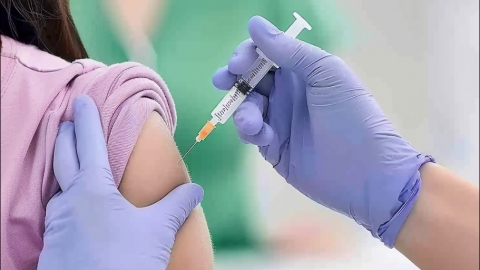
Immediately washing the wound with soap and water and disinfecting it after exposure, followed by timely and complete vaccination according to standard protocols, along with administration of passive immunizing agents for Category III exposures, usually prevents the disease from developing. In such cases, the vaccine stimulates the body to produce sufficient antibodies that effectively neutralize the virus and block its entry into the nervous system. Most individuals achieve protective antibody levels within 7 to 14 days after vaccination.
Delayed vaccination beyond 48 hours, failure to complete the full vaccination series, or missed doses may result in inadequate antibody production and lead to disease development. Wounds located in nerve-rich areas such as the head or face, high viral load, or underlying conditions like compromised immune function or use of immunosuppressive medications can also reduce protection efficacy. In rare cases, individuals with extremely short incubation periods may develop symptoms before antibodies are produced.
After vaccination, maintain regular作息 (daily routines), avoid alcohol, strenuous exercise, and spicy foods. Keep the injection site clean and dry, and seek medical attention promptly if symptoms such as worsening redness, swelling, fever, or other discomfort occur.




