What does Class A infectious disease refer to?
Dec 02, 2025
Source: Cainiu Health

Dr. Ren Yi
Introduction
Under normal circumstances, Class A infectious diseases are categorized based on characteristics such as strong infectivity, rapid transmission speed, high fatality rate, and significant impact on public health and society. Daily protective measures and proper care are essential. Develop habits of frequent handwashing and regular ventilation, and avoid contact with infected animals or contaminated water sources. If related symptoms occur, seek timely medical treatment at designated hospitals and ensure adequate rest during the course of treatment.
Generally, Class A infectious diseases are categorized based on characteristics such as strong infectivity, rapid transmission, high fatality rates, and significant threats to public health and society. The specific analysis is as follows:
Class A infectious diseases refer to severe infectious diseases that pose a major threat to human health, spread rapidly, and affect wide populations. In China, the legally designated Class A infectious diseases include plague and cholera. These diseases are classified as Class A because they can easily cause large-scale outbreaks, leading to widespread illness or even death within a short period, posing serious risks to public health security, thus requiring the strictest control and prevention measures to contain their spread. These diseases often have sudden onset and severe symptoms; for example, plague may present with high fever and swollen, painful lymph nodes, while cholera is commonly accompanied by severe vomiting and diarrhea. Without prompt intervention, serious complications can develop. Therefore, any suspected cases must be reported immediately, with simultaneous implementation of isolation and treatment, as well as interruption of transmission routes to prevent further spread.
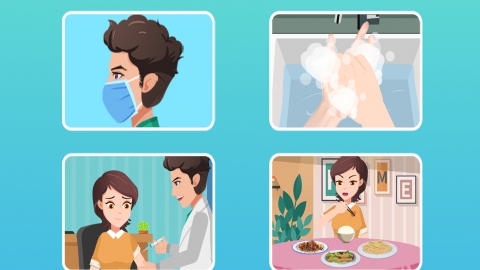
Daily preventive measures and proper care are essential. Develop habits such as frequent handwashing and regular ventilation, and avoid contact with infected animals or contaminated water sources. If related symptoms occur, seek medical attention promptly at designated hospitals. Ensure adequate rest during treatment, maintain a light and easily digestible diet, and replenish fluids and electrolytes. Cooperate with epidemic prevention measures, carry out personal and environmental disinfection, and reduce the risk of transmitting infection to others.