


Will pediatric viral encephalitis leave any sequelae?

In general, whether pediatric viral encephalitis results in sequelae mainly depends on multiple factors including the severity of infection, virus type, timeliness of treatment, and the extent of brain damage. A detailed analysis is as follows:
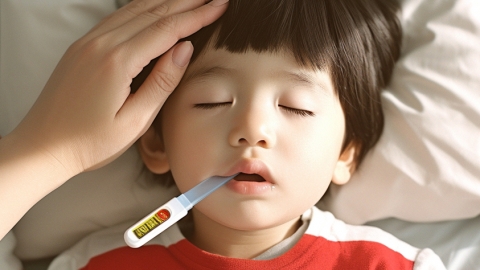
When the infection is mild and the virus has low virulence, most children can fully recover without any long-term sequelae if standard treatment is initiated promptly and no obvious brain damage occurs. In such cases, symptoms are typically mild—such as fever and headache—and after treatment, the immune system effectively clears the virus. Brain function gradually returns to normal, with no adverse effects on subsequent growth and development.
However, if the infecting virus is highly virulent, the illness is severe, or treatment is delayed, leading to extensive brain damage, neurological sequelae may persist. Common problems include intellectual disability, language impairments, motor dysfunction, and in some children, recurrent epileptic seizures. These issues can significantly affect long-term quality of life and require ongoing rehabilitation interventions.
Diligent care is essential during the child's treatment to support recovery. Provide a quiet and comfortable environment for rest and minimize external stimuli. Offer easily digestible, nutrient-rich foods in small, frequent meals. Closely monitor changes in body temperature, level of consciousness, and other vital signs, and promptly report any abnormalities to the physician. Once the condition stabilizes, appropriate functional exercises should be conducted under medical guidance to promote physical recovery.


