


Can AIDS be detected after 14 days?

Whether HIV can be detected 14 days after exposure depends on the testing method. Nucleic acid testing offers a relatively high detection rate, while conventional antibody testing has lower accuracy at this stage and should be interpreted according to the type of test used. The details are as follows:
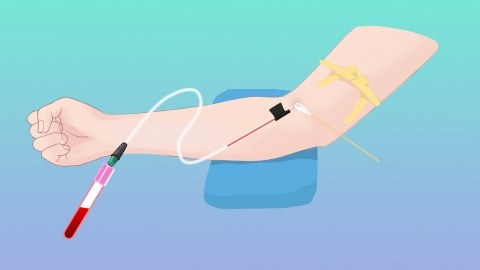
Nucleic acid testing (NAT) directly targets viral RNA, with a window period of only 1–2 weeks. Around 14 days post-infection, the detection accuracy is approximately 80%, allowing early identification of infection. Fourth-generation antigen-antibody combination tests simultaneously detect P24 antigen and antibodies, achieving a detection rate of about 50% at 14 days. Individuals with high viral loads may be identified, but there remains a risk of false-negative results.
Third-generation antibody tests detect only antibodies against the virus. Since antibodies typically do not reach detectable levels until 3–6 weeks after infection, at 14 days the body is still in the early phase of antibody production. Most infected individuals will not yet test positive, meaning a negative result cannot rule out infection. Even when using highly sensitive reagents, follow-up testing should be performed after 4 weeks, and only a negative result at 12 weeks can definitively exclude infection.
After potential high-risk exposure, individuals should seek testing at正规 medical facilities and choose an appropriate testing method based on their needs. Infected individuals can already be infectious during the window period; therefore, practicing safe sex and avoiding sharing needles are essential precautions.


