


Does a better physical condition mean a longer window period for HIV?

Generally, better physical health does not mean a longer HIV window period. However, differences in physical condition may indirectly affect the manifestation of the window period, which should be comprehensively assessed based on factors such as viral load and individual immune response. Specific analysis is as follows:
In individuals with good physical health who are exposed to a low viral load and whose immune systems respond efficiently to the virus, symptoms during the window period may be milder. Such individuals might experience only slight fatigue or no noticeable discomfort at all. The rate of antibody production remains unaffected, and due to active immune function, HIV can often be accurately detected within the standard window period—thus, superior physical condition does not prolong the window period.
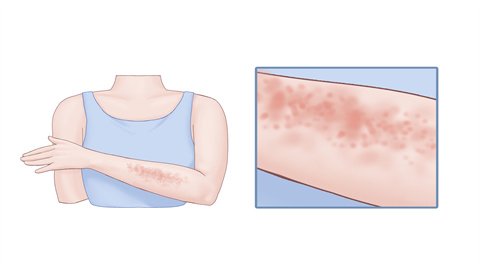
In contrast, individuals with poor health or underlying immune deficiencies, especially when infected with a high viral load, may exhibit more pronounced symptoms during the window period. Symptoms such as fever and rash may be more severe, and slower antibody production due to weakened immunity could lead to a relatively prolonged window period. In these cases, early infection screening through nucleic acid testing (NAT) or similar methods is recommended.
To reduce risk, practice safe sex, avoid sharing needles, and seek medical testing promptly after potential high-risk exposure. Maintain a regular sleep schedule, eat a balanced diet, exercise moderately to strengthen immunity, and avoid self-medicating with drugs that may impair bodily functions.


