Is Type 3 pulmonary tuberculosis considered an early stage?
Dec 02, 2025
Source: Cainiu Health

Dr. Ren Yi
Introduction
Patients with type 3 pulmonary tuberculosis who have mild symptoms (only occasional cough and low-grade fever), localized lung lesions (minimal infiltrates confined to a single lobe), no cavity formation or extrapulmonary dissemination, and who are diagnosed promptly before significant lung function impairment occurs, are typically in the early stage of the disease. With standardized treatment at this stage, lung lesions are more likely to be absorbed and the prognosis is favorable.
Generally, type 3 pulmonary tuberculosis cannot be directly equated with the early stage. Some patients may be in the early phase, while others with disease progression may already be in the middle or late stages. If there are concerns, it is recommended to seek medical advice promptly. The detailed analysis is as follows:
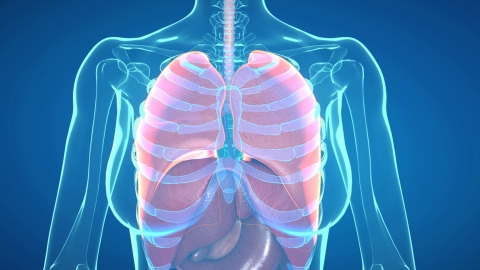
If a patient with type 3 pulmonary tuberculosis has mild symptoms (such as occasional cough and low-grade fever), localized lung lesions (only small infiltrative shadows in a single lobe), no cavity formation or extrapulmonary spread, and the condition is detected early without significant impairment of lung function, this usually indicates an early stage of the disease. With standardized treatment at this stage, lung lesions are more likely to resolve, leading to a favorable prognosis.
However, if a patient with type 3 pulmonary tuberculosis exhibits obvious symptoms (such as persistent hemoptysis, high fever, and dyspnea), extensive lung lesions (involving multiple lobes), accompanied by cavity formation, pleural adhesions, reduced lung function, or even extrapulmonary involvement such as lymph nodes or pleura, the disease has likely progressed to the middle or late stages. Delayed treatment may result in severe lung tissue damage, increased difficulty in treatment, and higher risks of complications.
After confirmation of type 3 pulmonary tuberculosis, it is essential to promptly complete evaluations such as chest CT and sputum tests to determine the severity of the disease. Patients must strictly adhere to the prescribed anti-tuberculosis treatment regimen and avoid discontinuing medication on their own. Regular follow-up imaging and monitoring of liver and kidney function during treatment are necessary to track disease progression and ensure therapeutic effectiveness.