


Can heparin injection cause elevated alanine aminotransferase (ALT)?

Whether heparin injection causes elevated alanine aminotransferase (ALT) levels depends on the specific medication use and individual differences. Most people do not experience this issue when using heparin properly, but a minority may develop increased ALT levels due to pre-existing liver conditions or medication-related factors, requiring targeted management.
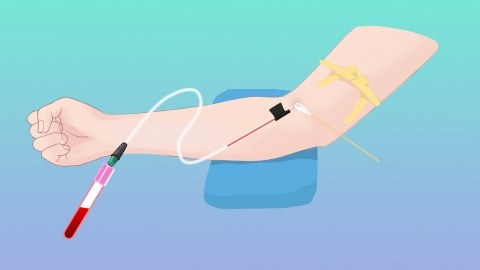
For individuals with normal liver and kidney function who use standard doses of heparin as prescribed, ALT levels typically remain within the normal range. After administration, such individuals may only experience mild bruising at the injection site, which is not directly related to liver metabolism. Proper care of the injection site is sufficient, and there is generally no need for excessive concern.
If a person already has underlying liver disease or uses high-dose heparin over a long period, the metabolic burden on the liver may increase, potentially leading to elevated ALT levels. Some individuals may also experience symptoms such as fatigue and reduced appetite. In these cases, it is important to promptly inform the physician, who may adjust the dosage, switch medications, and monitor liver function indicators accordingly.
During routine medication use, it is essential to strictly follow medical advice regarding dosage and duration. Liver function tests should be completed before starting treatment. Additionally, avoid oily and irritating foods and maintain a regular sleep schedule.


