


Can mosquitoes transmit AIDS?
Dec 02, 2025
Source: Cainiu Health

Dr. Liu Wenmin
Introduction
Mosquitoes do not transmit HIV. This conclusion is based on the characteristics of the virus, mosquito physiology, and authoritative research; therefore, there is no need to worry about HIV risk from mosquito bites in daily life. While it's important to take preventive measures against mosquitoes to avoid other vector-borne diseases, excessive concern about HIV transmission is unnecessary. It should be clearly understood that HIV is primarily transmitted through sexual contact, blood, and mother-to-child routes. Always practice safe protection and avoid sharing needles.
Mosquitoes do not transmit HIV. This conclusion is based on the characteristics of the virus, mosquito physiology, and authoritative scientific research—there is no need to worry about HIV transmission through mosquito bites in daily life. The detailed explanation is as follows:
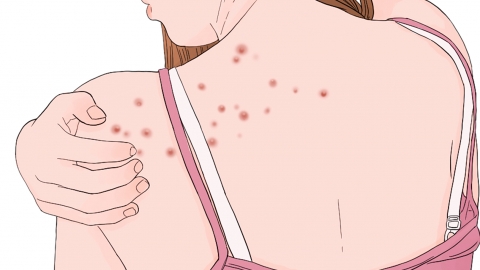
Blood-sucking and fluid injection in mosquitoes are separate processes. When biting, a mosquito injects saliva containing anticoagulant components, while the ingested blood enters the midgut for digestion and does not flow back into the next person it bites. HIV relies on the human body's environment to survive; once inside a mosquito, the virus is destroyed by digestive enzymes in the midgut, cannot replicate, and quickly loses its infectivity, making transmission through bites impossible.
Even if a mosquito has just bitten an infected person, any residual virus on its mouthparts is extremely minimal—far below the threshold required to cause infection—and can be easily eliminated by the human immune system. Global epidemiological studies have never documented a single case of HIV transmission via mosquito bites, further confirming that this route of transmission is not viable.
While it's important to take preventive measures against mosquitoes to avoid other vector-borne diseases, there is no need for excessive concern regarding HIV. It should be clearly understood that HIV is primarily transmitted through sexual contact, blood exposure, and mother-to-child transmission. Practicing safe behaviors and avoiding sharing needles are the effective ways to reduce infection risk.



