


Are imported cherries safe to eat? Can they transmit viruses?

Imported cherries are safe to eat; the risk of viral contamination is extremely low after proper washing and handling. Viruses have a short survival time on fruit surfaces and do not easily multiply. Cherries imported through正规 channels undergo strict quarantine procedures and meet safety standards. If you experience symptoms such as fever or diarrhea after consumption, seek medical attention promptly.
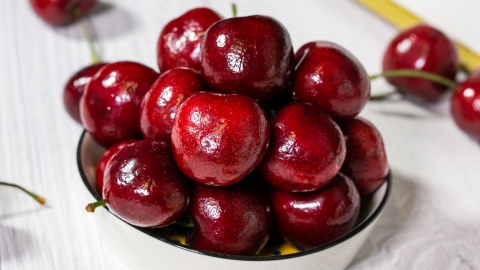
Viruses rely on specific hosts to survive and cannot remain viable for long on surfaces like cherries. They are also vulnerable to environmental conditions. After transportation, storage, and washing, even if trace amounts of virus remain, they are unlikely to reach an infectious dose.
Legally imported cherries must pass customs quarantine inspections, including screening for pests and diseases and assessments of hygiene conditions. Products that fail to meet safety standards are intercepted. Consumers can further reduce risks by purchasing from reputable sources such as supermarkets or authorized e-commerce platforms.
After purchase, rinse cherries thoroughly under running water. Soak briefly if necessary, then rinse again and dry before eating. Avoid consuming spoiled or rotten cherries. Store them refrigerated and consume promptly to maintain freshness and minimize food safety risks.


