


What is the most common early symptom of hepatic tuberculosis?

There is no such thing as "the most common early symptom of hepatic tuberculosis." Early symptoms of hepatic tuberculosis include low-grade fever with night sweats, fatigue and weight loss, dull pain in the liver area, loss of appetite, abdominal distension, and diarrhea. These symptoms are often atypical and easily overlooked, requiring further evaluation based on medical history and diagnostic tests. If unexplained low-grade fever accompanied by discomfort in the liver area persists for more than two weeks, prompt medical attention is recommended.
1. Low-grade fever and night sweats: This typically presents as a mild fever in the afternoon or at night, with body temperature generally between 37.5–38.5°C. Excessive sweating during sleep is common, which stops upon waking. This is a typical systemic intoxication symptom of tuberculosis infection.
2. Fatigue and weight loss: Due to nutritional consumption by Mycobacterium tuberculosis and impaired digestive function, persistent fatigue occurs in the early stage and worsens with physical activity. This is accompanied by gradual weight loss and noticeable thinning over a short period.
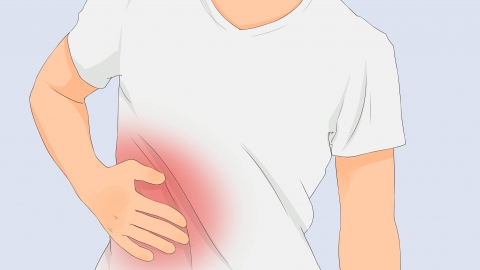
3. Dull pain in the liver area: When the liver is affected, stretching of the liver capsule can cause dull or distending pain in the right upper abdomen or liver region. The pain is usually mild and irregular, making it easy to confuse with conditions such as cholecystitis or hepatitis.
4. Loss of appetite: Hepatic tuberculosis affects liver metabolism and digestive function. In the early stage, patients may experience reduced appetite, nausea, and aversion to oily foods. Reactions to greasy or spicy foods become pronounced, and bloating worsens after meals.
5. Abdominal distension and diarrhea: Some patients develop bloating and diarrhea due to abnormal liver function affecting bile secretion, or concurrent intestinal tuberculosis. Stools are often loose and mushy, occurring several times daily, without obvious mucus or blood.
In daily life, it's important to maintain regular作息 (sleep-wake cycles), avoid overexertion, eat a diet rich in high-quality protein and vitamins to enhance immunity, avoid close contact with individuals who have active tuberculosis, and seek timely medical evaluation if suspicious symptoms appear—ensuring early detection and early intervention.


