


What is the fastest way to relieve cough in pulmonary tuberculosis?

There is no such thing as a "fastest way to stop coughing due to tuberculosis." Treating cough in pulmonary tuberculosis should primarily focus on anti-tuberculosis therapy, supplemented by symptomatic and supportive measures. Specific approaches include standardized anti-tuberculosis medication, use of cough suppressants and expectorants, maintaining moist airways, adjusting diet, and improving the living environment. If coughing worsens continuously or is accompanied by hemoptysis (coughing up blood) or difficulty breathing, prompt medical attention is recommended.
1. Standardized anti-tuberculosis medication: This is the fundamental approach to controlling cough. Patients must take anti-tuberculosis drugs such as isoniazid and rifampicin exactly as prescribed by their doctor. Full-dose, full-course treatment is essential to eliminate Mycobacterium tuberculosis and address the root cause of coughing. Do not discontinue or reduce medication without medical advice.
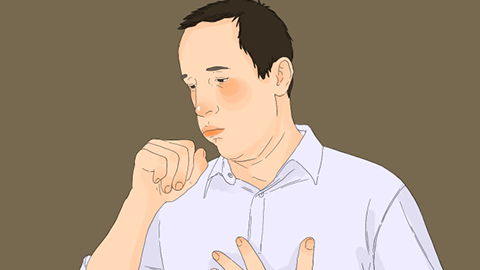
2. Use of cough suppressants and expectorants: For dry cough, cough suppressants may be used under medical guidance. For productive cough with excessive phlegm, expectorants are preferred to facilitate mucus clearance and prevent accumulation that could worsen coughing. Avoid using strong-acting cough suppressants indiscriminately.
3. Maintain respiratory tract moisture: Drink adequate amounts of warm water daily, or use nebulized saline inhalation to keep the airway mucosa moist. This helps relieve throat irritation during coughing and reduces the frequency of dry cough episodes.
4. Adjust diet: Eat light, easily digestible foods and increase intake of vitamin-rich fruits and vegetables. Avoid spicy, greasy, and overly sweet foods, which can irritate the respiratory tract and increase mucus production and coughing.
5. Improve living environment: Keep indoor areas well-ventilated and maintain humidity levels between 50% and 60%. Avoid exposure to smoke, dust, cold air, and other irritants to minimize airway stimulation and reduce coughing episodes.
In daily life, ensure sufficient sleep and avoid fatigue and staying up late. Engage in moderate, gentle exercise to strengthen the body. When coughing, cover your mouth and nose with a tissue and dispose of it promptly to prevent transmission. Practice proper hygiene and strictly adhere to prescribed medication schedules to support recovery.


