What are the harms of the JC virus?
Dec 02, 2025
Source: Cainiu Health

Dr. Li Feng
Introduction
The harmful effects of JC virus include causing progressive multifocal leukoencephalopathy, damaging the central nervous system, leading to neurological deficits, worsening conditions in immunocompromised individuals, and potentially triggering other complications. These risks primarily affect people with impaired immune function. If symptoms such as limb weakness, cognitive impairment, or blurred vision occur, prompt medical attention is recommended.
The harms of JC virus include triggering progressive multifocal leukoencephalopathy, damaging the central nervous system, causing neurological deficits, worsening conditions in immunocompromised individuals, and potentially inducing other complications. These risks primarily affect people with abnormal immune function. If symptoms such as limb weakness, cognitive impairment, or blurred vision occur, prompt medical attention is recommended.
1. Triggering progressive multifocal leukoencephalopathy: The virus invades the brain's white matter, leading to demyelinating lesions in brain tissue. The condition progresses rapidly and can result in irreversible neurological damage, representing the most severe consequence of JC virus infection.
2. Damaging the central nervous system: The virus remains latent in neural tissues for long periods and, upon activation, attacks brain cells, disrupting normal brain function and causing a range of neurological symptoms such as dizziness, headaches, and confusion.
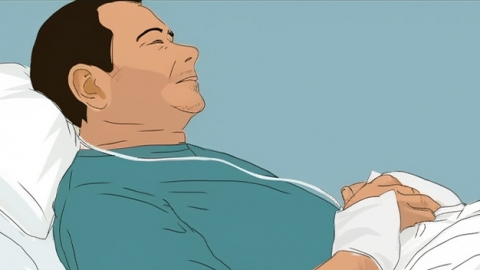
3. Causing neurological deficits: It may lead to numbness, weakness in limbs, slurred speech, and difficulty swallowing. In severe cases, it can result in paralysis or blindness, significantly affecting patients' daily life and ability to perform self-care.
4. Worsening conditions in immunocompromised individuals: People with weakened immune systems, such as those with AIDS or organ transplant recipients, are more susceptible to infection and viral reactivation. The virus can accelerate disease progression, increase treatment difficulty, and elevate mortality risk.
5. Potentially inducing other complications: As the disease progresses, secondary issues such as lung infections or urinary tract infections may arise, further impairing bodily functions and increasing the overall disease burden.
In daily life, it is important to enhance immunity through balanced nutrition, regular sleep patterns, and moderate exercise. Avoid misuse of immunosuppressive agents, maintain good personal hygiene, and take preventive measures to reduce the risk of viral infection and reactivation.