


Are elevated levels of all four enzymes indicative of autoimmune hepatitis?

Autoimmune hepatitis (AIH) refers to a condition where the body's immune system attacks the liver. Elevated levels of all four liver enzymes do not necessarily indicate autoimmune hepatitis, as various liver diseases or extrahepatic factors can also cause increased liver enzyme levels. A comprehensive evaluation combining other diagnostic tests is required. If liver enzyme levels remain persistently elevated or are accompanied by symptoms such as fatigue, jaundice, or skin itching, prompt medical attention is recommended.
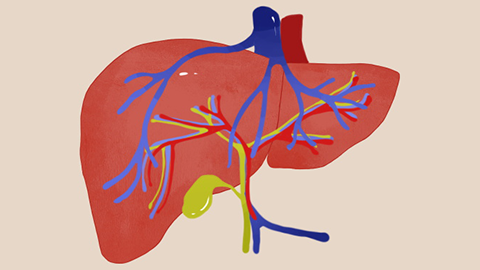
Liver function enzyme markers include transaminases, bilirubin, alkaline phosphatase, and gamma-glutamyl transferase (GGT). Elevations in these markers are commonly seen in viral hepatitis, fatty liver disease, drug-induced liver injury, and other conditions. The patterns of enzyme changes in these diseases differ from those observed in autoimmune hepatitis.
Diagnosing autoimmune hepatitis requires meeting multiple criteria. In addition to elevated liver enzymes, diagnosis involves detecting positive autoantibodies, increased globulin levels, characteristic inflammatory changes on liver histopathology, and exclusion of other causes of liver damage.
In daily life, it is important to maintain regular作息 (sleep-wake cycles), avoid staying up late, quit smoking and alcohol, and steer clear of medications that may harm the liver. Diet should be light, easily digestible, and rich in high-quality protein, while intake of greasy and spicy foods should be reduced. Moderate exercise and weight control are recommended, along with avoiding excessive physical strain and emotional fluctuations.


