


Is a transaminase level of 51 high?

An ALT level of 51 U/L represents a mild elevation, slightly exceeding the normal reference ranges for alanine aminotransferase (ALT) and aspartate aminotransferase (AST), which generally indicates minor liver cell damage. However, there is no need for excessive concern. If symptoms such as fatigue, jaundice, or discomfort in the liver area occur, or if the elevated levels persist for more than one month, prompt medical evaluation is recommended.
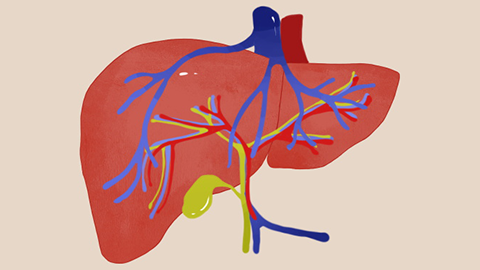
Transaminases are key indicators of liver function. The typical normal range is approximately 5–40 U/L for ALT and 8–40 U/L for AST. A value of 51 U/L is only slightly above the upper limit and is often caused by non-pathological factors. Common contributors include recent sleep deprivation, intense physical activity, alcohol consumption, or excessive intake of greasy foods—conditions that are usually reversible.
In rare cases, mild elevations may be associated with medication use (such as antibiotics or lipid-lowering drugs), mild fatty liver disease, or early-stage liver injury. Since an isolated transaminase increase lacks specificity, a comprehensive assessment incorporating medical history and additional tests is essential to avoid inappropriate medication use that could further burden the liver.
For daily management, maintain regular sleep patterns and avoid staying up late, follow a light diet with reduced oily foods and alcohol, engage in moderate, gentle exercises like walking, avoid indiscriminate use of medications, consume more fresh fruits and vegetables rich in vitamins to support liver cell repair, and schedule regular follow-up tests.


