


Do adults without hepatitis B antibodies need to receive the hepatitis B vaccine?

In general, adults without hepatitis B antibodies are advised to receive the vaccine, especially those at high risk. Individuals with certain health conditions should delay vaccination. If in doubt, it is recommended to consult a healthcare provider in advance. Detailed analysis is as follows:
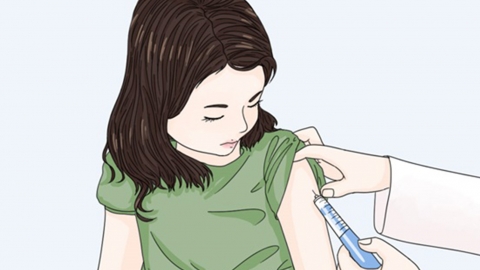
If an adult lacks hepatitis B antibodies and belongs to a high-risk group—such as healthcare workers, individuals undergoing regular blood dialysis, those with multiple sexual partners, or people in long-term close contact with hepatitis B patients—the likelihood of infection is higher. Vaccination can effectively stimulate the body to produce protective antibodies, establish immune defense, and reduce the risk of infection. Timely vaccination is generally recommended for these individuals.
If an adult lacks hepatitis B antibodies but is currently experiencing an acute illness (e.g., high fever, severe diarrhea), an acute exacerbation of a chronic disease, or has a known allergy to any component of the hepatitis B vaccine, vaccination should be temporarily postponed. Administering the vaccine during an acute illness may impair its effectiveness or worsen the condition, while allergic individuals may experience adverse reactions. Vaccination should only be considered after recovery or once allergy risks have been ruled out.
Adults lacking hepatitis B antibodies should first consult a doctor to assess their infection risk. The full vaccination series must be completed according to the recommended schedule without interruption. Antibody levels should be checked 1–2 months after vaccination, and if levels are insufficient, individuals should promptly consult a physician regarding the need for a booster dose.


