


Could a millet-sized nodule at the apex of a lung lobe be tuberculosis?

Pulmonary apical miliary nodules may indicate pulmonary tuberculosis, but they can also be caused by various other lung diseases. A comprehensive evaluation based on specific symptoms, imaging characteristics, and laboratory tests is required. The detailed analysis is as follows:
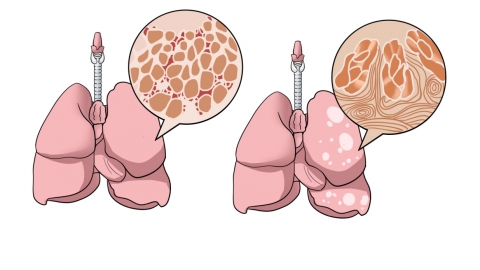
When pulmonary apical miliary nodules are accompanied by typical symptoms such as low-grade fever, night sweats, and hemoptysis, and imaging reveals uniformly distributed nodules, along with a positive tuberculin skin test and detection of Mycobacterium tuberculosis in sputum culture, a diagnosis of pulmonary tuberculosis can be established. In such cases, the nodules represent specific pathological changes resulting from Mycobacterium tuberculosis infection in the lungs, and prompt initiation of anti-tuberculosis treatment is necessary.
If the nodules are associated with symptoms like cough, sputum production, and chest pain, imaging shows uneven nodule sizes and ill-defined margins, tuberculosis-related tests are negative, and there is a history of other lung conditions such as pulmonary infection or pneumoconiosis, the nodules are more likely due to non-tuberculous causes.
In daily life, smoking and excessive alcohol consumption should be avoided. Inhalation of dust and irritant gases must be prevented, and indoor air circulation should be maintained. A light, nutritious diet rich in lung-nourishing fruits and vegetables is recommended. Regular follow-up pulmonary imaging is essential to closely monitor changes in the size and morphology of the nodules.


