


Can I have a liver function test the day after drinking alcohol in the evening?

Generally, it is not recommended to undergo liver function tests the day after drinking alcohol in the evening. Although minimal alcohol consumption with rapid metabolism may have limited impact, it's best to consult a healthcare professional in advance if there are any concerns. Detailed analysis is as follows:
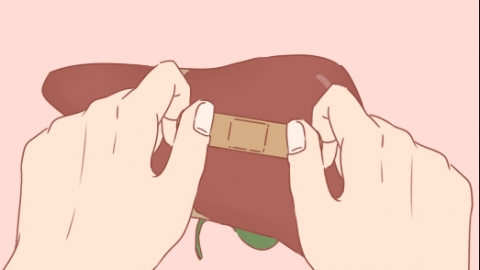
If a large amount of alcohol is consumed in the evening (e.g., more than 100 mL of liquor or equivalent alcoholic beverages), or if baseline liver function is already compromised (e.g., individuals with fatty liver disease or hepatitis), the metabolism of alcohol can significantly increase the burden on the liver. This may lead to temporary elevations in liver enzymes such as transaminases, resulting in abnormal test results the following day that do not accurately reflect true liver function. In such cases, testing should be avoided.
If only a very small amount of alcohol is consumed (e.g., a few sips of beer) and the individual has strong metabolic capacity (e.g., young age, no pre-existing liver conditions), the impact on the liver after one night of metabolism might be minimal, and some routine liver function indicators (such as bilirubin) may remain largely unaffected. However, to ensure accuracy, testing should still ideally be conducted when no alcohol has been consumed to avoid potential errors.
It is recommended to avoid alcohol for at least 3 days prior to scheduled liver function testing. If alcohol has already been consumed, consider discussing with a doctor to reschedule the test (e.g., delay by 2–3 days). In addition to abstaining from alcohol, patients should fast for 8–12 hours before the test and avoid taking medications that may affect liver function, ensuring reliable test results.


