


What does decompensated liver disease mean?

In general, decompensated liver disease refers to a pathological stage in which liver function is severely impaired and can no longer maintain normal physiological demands through intrinsic compensation. It usually develops from chronic liver disease over a long period and represents an advanced, severe phase of liver disease progression. A detailed explanation is as follows:
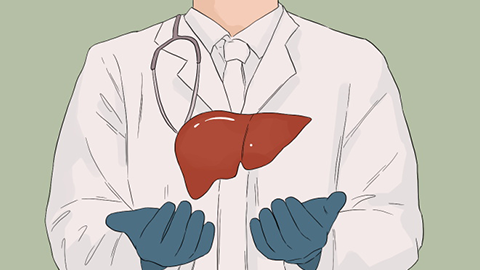
The liver has a strong compensatory capacity. In the early stages of liver disease, healthy hepatocytes can take over the functions of damaged cells, so individuals often experience no obvious symptoms—this is known as the compensated phase. However, when extensive hepatocyte necrosis occurs alongside widespread proliferation of fibrous tissue, and the remaining liver function is insufficient to meet the body's metabolic and detoxification needs, the disease progresses into the decompensated phase, indicating that liver disease has advanced to the intermediate or late stages.
Once this stage is reached, clear clinical abnormalities appear, such as ascites, lower limb edema, jaundice, skin bruising, and bleeding from ruptured esophageal or gastric varices. These symptoms stem from functional failure including reduced protein synthesis, impaired bilirubin metabolism, and decreased coagulation function, requiring timely intervention to control disease progression.
In daily life, patients must strictly abstain from alcohol, avoid taking medications that may cause liver damage, and follow a diet that is low in salt and fat but rich in protein, while also limiting fluid and sodium intake.


