


Can ultraviolet light kill viruses?
Dec 02, 2025
Source: Cainiu Health

Dr. Li Feng
Introduction
In general, whether ultraviolet (UV) light can kill viruses depends on the specific type. Short-wavelength UV light has strong germicidal effects and can effectively inactivate viruses; medium- and long-wavelength UV light have weaker energy and usually cannot achieve a killing effect. When using UV light for disinfection in daily life, it is important to choose a certified short-wavelength UV device and avoid direct exposure to human skin and eyes during use.
In general, whether ultraviolet (UV) light can kill viruses depends on the specific type. Short-wavelength UV light has strong germicidal properties and can effectively inactivate viruses; medium- and long-wavelength UV light have lower energy and typically cannot achieve a virus-killing effect. The detailed analysis is as follows:
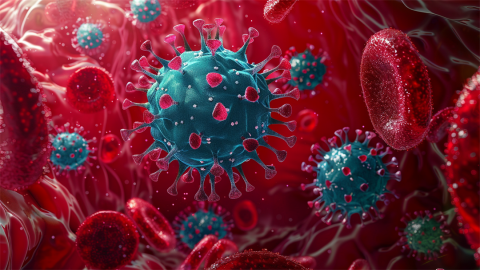
Short-wavelength UV light, with a wavelength of 100–280 nanometers, has high energy and strong penetration power. It can directly damage the nucleic acid structure of viruses, rendering them unable to replicate or infect. Common UV disinfection devices such as UV lamps and sterilization cabinets rely primarily on short-wavelength UV light for disinfection, making them suitable for eliminating viruses from air and surfaces.
Medium-wavelength and long-wavelength UV light have lower energy and are generally insufficient to disrupt the core structure of viruses. The UV rays present in everyday sunlight are predominantly medium- and long-wavelength types, most of which are filtered by the ozone layer. These rays only exert a mild inhibitory effect and cannot thoroughly eliminate viruses through natural exposure.
When using UV light for disinfection in daily life, it is important to choose certified short-wavelength UV devices and avoid direct exposure to skin and eyes during use. Additionally, one should not rely on sunlight for disinfection. Combining frequent handwashing, proper ventilation, and thorough surface cleaning offers a more comprehensive approach to reducing the risk of viral transmission.





