Is the cure rate high for high-risk HPV type 56 positive?
Dec 02, 2025
Source: Cainiu Health

Dr. Zhang Lu
Introduction
If the infected individual is relatively young, has a healthy immune system (no chronic diseases or long-term use of immunosuppressive medications), and the infection is in its early stage without complications such as cervical lesions, the body's immune system can typically clear the virus spontaneously within 1 to 2 years, resulting in a high cure rate. During this period, maintaining regular sleep patterns and a balanced diet to strengthen immunity can further increase the likelihood of viral clearance.
Generally, the cure rate for high-risk HPV type 56 (HPV-56 infection) is closely related to the individual's immune system—those with stronger immunity have a higher chance of recovery, while those with weaker immunity tend to have a lower cure rate. If concerned, it is advisable to seek medical consultation promptly. Detailed analysis is as follows:
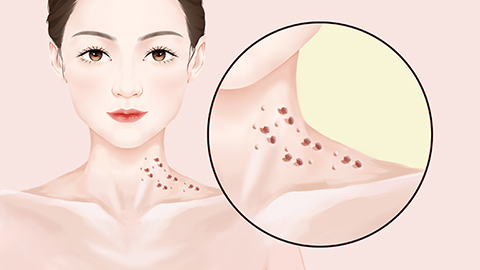
If the infected individual is relatively young, has a robust immune system (no chronic diseases or long-term use of immunosuppressive drugs), and the infection is in its early stage without complications such as cervical lesions, the body’s immune system can typically clear the virus spontaneously within 1–2 years, resulting in a high cure rate. During this period, maintaining regular sleep patterns and a balanced diet to enhance immunity can further increase the likelihood of viral clearance and reduce the risk of persistent infection.
However, if the individual is older, has weakened immunity (such as those with diabetes, HIV/AIDS, or in a prolonged state of fatigue), or has had a long-standing infection accompanied by low-grade or high-grade cervical lesions, the immune system's ability to eliminate the virus is significantly reduced, leading to a markedly lower cure rate. The virus may persist and even cause progression of cervical lesions. In such cases, medical intervention under a doctor's guidance (such as medication or physical therapies) is necessary to control the infection and prevent lesion progression.
After detection of high-risk HPV type 56 positivity, regular HPV testing and cervical screening are essential. It is important to maintain good immunity in daily life and avoid excessive fatigue. If cervical lesions or persistent infection occur, treatment should strictly follow medical advice, and delays in care must be avoided.