


What is the meningococcal polysaccharide vaccine used for?

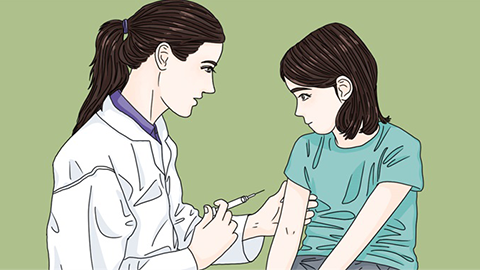
Polysaccharide meningococcal vaccine is primarily used to prevent epidemic cerebrospinal meningitis, commonly known as meningococcal meningitis. This vaccine stimulates the body to produce specific antibodies against Neisseria meningitidis, thereby reducing the risk of infection. If symptoms such as fever, headache, or vomiting—suggestive of meningococcal disease—occur, prompt medical attention is recommended.
Epidemic cerebrospinal meningitis is an acute respiratory infectious disease caused by Neisseria meningitidis. It is highly contagious and spreads through respiratory droplets. After infection, symptoms may include high fever, severe headache, and neck stiffness. In severe cases, it can lead to septicemia, brain damage, or even death.
The vaccine is suitable for susceptible populations, especially children, adolescents, and individuals with weakened immune systems. Vaccination effectively covers common pathogenic serogroups, establishes an immune barrier, and reduces the likelihood of infection. It is one of the most critical measures for preventing meningococcal disease.
After vaccination, keep the injection site clean and avoid scratching. Refrain from strenuous physical activity in the short term. Drink plenty of water, ensure adequate rest, and maintain a light, easily digestible diet. Avoid spicy or irritating foods to help the body generate a better immune response and ensure optimal vaccine effectiveness.


