


What should I do if no tuberculosis bacteria are found in the sputum after undergoing bronchoscopy?

If no tuberculosis bacteria are detected through bronchoscopy, further evaluation can be conducted using repeated sputum tests, improved imaging examinations, molecular biological testing, tuberculosis infection immunological testing, and clinical assessment to reach a diagnosis. Bronchoscopy has certain limitations and therefore requires comprehensive interpretation. Individuals with typical symptoms of pulmonary tuberculosis or a history of high-risk exposure should seek timely medical consultation for systematic evaluation.
1. Repeated sputum examination: Collect multiple early-morning deep-cough sputum samples for testing. Use acid-fast staining or fluorescent staining methods. Rinse the mouth with water before sputum collection to avoid saliva contamination. Repeating the test increases the detection rate of Mycobacterium tuberculosis and serves as a fundamental and important supplementary examination.
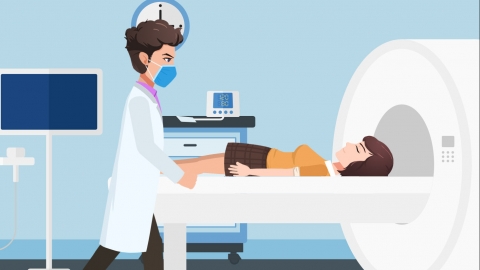
2. Comprehensive imaging evaluation: Perform chest CT scanning, which clearly reveals hidden pulmonary lesions, infiltrative shadows, cavities, and other characteristic changes. It precisely locates the affected areas and guides subsequent targeted investigations.
3. Molecular biological testing: Employ technologies such as GeneXpert MTB/RIF to rapidly detect Mycobacterium tuberculosis DNA in sputum or bronchoalveolar lavage fluid. This method offers higher sensitivity than conventional techniques and can simultaneously identify rifampicin resistance.
4. Tuberculosis infection immunological testing: Use interferon-gamma release assays (IGRAs) or tuberculin skin tests (TST) to determine whether tuberculosis infection exists. These tests help eliminate interference from prior BCG vaccination and provide immunological evidence for clinical diagnosis.
5. Clinical evaluation and integrated diagnosis: Consider typical symptoms such as chronic cough, sputum production, low-grade fever, and night sweats, along with risk factors like exposure history and underlying medical conditions. In highly suspected cases, a trial of anti-tuberculosis therapy under close monitoring may be initiated, with response assessed by radiological improvement to support definitive diagnosis.
Maintain regular daily routines and strengthen physical health. Avoid fatigue and cold exposure that may trigger respiratory infections. Follow a balanced diet rich in nutrients, reduce intake of spicy and irritating foods, quit smoking, limit alcohol consumption to protect the respiratory tract, and undergo regular follow-up evaluations as instructed by healthcare providers.


