


What causes recurrent chickenpox and what should be done about it

Shingles recurrence is mainly caused by reactivation of the latent varicella-zoster virus, decreased immune function, viral mutations, etc. Management should include timely antiviral treatment, enhancing immune function, avoiding triggering factors, symptomatic relief, and regular monitoring of the condition. Seek medical attention promptly if symptoms of recurrence appear.
1. Timely antiviral treatment: Start antiviral medications as early as possible after diagnosis to suppress viral replication, shorten the duration of illness, and reduce the risk of complications. Medication must be used properly under a doctor's guidance.
2. Enhance immune function: Maintain a balanced diet to ensure adequate nutrition, engage in moderate exercise to strengthen physical health, ensure sufficient sleep, and avoid excessive fatigue to boost the body's resistance and lower the likelihood of viral reactivation.
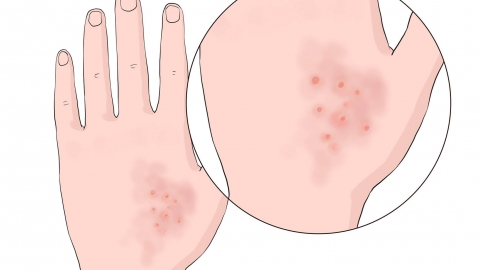
3. Avoid triggering factors: Avoid excessive fatigue, high levels of psychological stress, cold exposure, or catching a cold. Stay away from individuals with chickenpox to minimize triggers for reinfection or reactivation of the latent virus.
4. Symptomatic symptom relief: Manage fever appropriately to prevent febrile seizures. Use mild anti-itch products for skin itching and avoid scratching to prevent secondary skin infections, thereby alleviating patient discomfort.
5. Regular monitoring of the condition: Closely observe changes in symptoms, monitor rash progression, body temperature, and watch for complications such as coughing or vomiting. Report any abnormalities to the doctor promptly to adjust the treatment plan.
Skin care should focus on keeping the skin clean and dry, wearing loose and breathable clothing, maintaining indoor ventilation, providing light and easily digestible meals, increasing fluid intake, and minimizing irritants to support recovery.


