


Do elevated transaminase levels of 68 U/L require treatment?

Generally, an alanine aminotransferase (ALT) level of 68 U/L caused by short-term triggers in individuals without underlying liver disease does not require immediate drug treatment. However, medical intervention is necessary if there is a history of chronic liver disease, persistently elevated liver enzymes, or accompanying abnormalities. Detailed analysis is as follows:
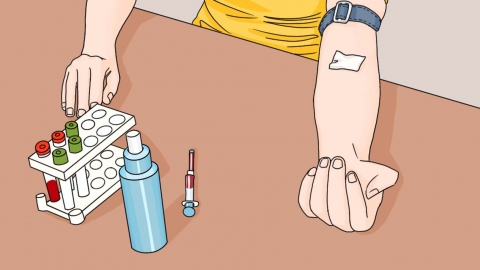
The normal range for transaminases is typically 0–40 U/L; therefore, a level of 68 U/L is considered mildly elevated. If the elevation occurs after recent episodes of sleep deprivation, excessive alcohol consumption, high-fat diet, or use of hepatotoxic medications, and the individual has no prior liver disease, the increase is often transient. In such cases, discontinuing alcohol, maintaining regular sleep patterns, adopting a light diet, and stopping the suspected medications usually allow enzyme levels to return to normal within 1–2 weeks upon retesting, without requiring specific treatment.
If the patient already has chronic liver conditions such as hepatitis B, hepatitis C, or fatty liver disease, or if transaminase levels remain elevated for more than one month, or are accompanied by abnormal bilirubin or albumin levels, this suggests ongoing liver damage. Further diagnostic tests—such as viral load testing or liver ultrasound—are needed to identify the underlying cause, followed by targeted treatments including antiviral therapy or hepatoprotective agents.
To protect liver health, it is important to avoid excessive alcohol intake and indiscriminate use of medications, maintain a balanced diet, and reduce consumption of high-fat and high-sugar foods. Regular physical examinations to monitor liver function are recommended. Prompt evaluation of abnormal results and timely, science-based interventions can help preserve long-term liver health.


