


Can HIV infection be completely ruled out if the HIV antibody test is negative after the window period?

Generally, after the window period, a negative HIV antibody test result can largely rule out infection if the test was conducted properly and there are no special immune-related issues. However, caution is advised if the testing was not performed correctly or if there is an underlying immunodeficiency. If in doubt, it is recommended to seek medical advice early. The detailed analysis is as follows:
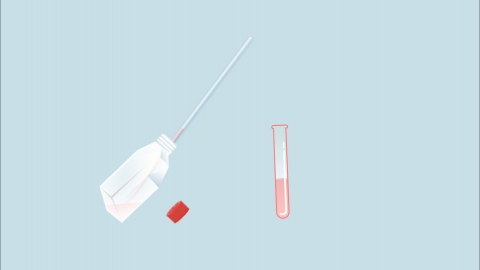
If a standardized test (such as third- or fourth-generation antibody testing) was performed at a qualified medical institution, and the result is negative after the corresponding window period (three months for third-generation tests, four weeks for fourth-generation tests), and if the individual has no severe immunodeficiency (e.g., not undergoing immunosuppressive therapy, no advanced cancer), the likelihood of HIV infection is extremely low. In such cases, HIV infection can be essentially ruled out, and excessive concern is unnecessary.
If the testing process was non-standard (e.g., using unapproved test kits or improper procedures), or if the person has significant immune dysfunction (e.g., long-term use of immunosuppressants, or immune deficiencies related to HIV), this may lead to delayed antibody production or inaccurate test results. Even with a negative result after the window period, infection cannot be completely excluded. In these situations, retesting under medical guidance or additional testing methods (such as viral load testing) are needed to confirm the status.
Even after obtaining a negative HIV antibody test result post-window period, individuals should continue avoiding high-risk behaviors. Those with immune abnormalities should proactively inform their doctors of their condition. If any symptoms arise later, prompt medical evaluation and retesting are necessary to ensure the reliability of the results.


