Should I take fever-reducing medication if I have a 39°C fever after getting vaccinated?
Dec 02, 2025
Source: Cainiu Health

Dr. Ren Yi
Introduction
If you have a fever of 39°C accompanied only by mild fatigue and headache, without severe symptoms such as difficulty breathing, intense vomiting, or rash, you may take an appropriate antipyretic (such as acetaminophen or ibuprofen) according to the instructions. Antipyretics help reduce body temperature and relieve discomfort, and they do not interfere with the immune response induced by vaccines, thus helping the body better tolerate the post-vaccination immune process.
Generally, if a fever of 39°C occurs after vaccination, it is acceptable to take antipyretic medication to relieve discomfort. However, if severe symptoms are present, medical attention should be sought first. If in doubt, it is recommended to consult a healthcare provider beforehand. Detailed analysis is as follows:
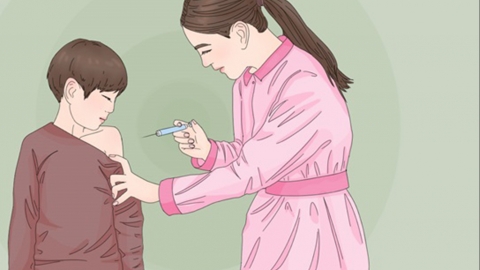
If the fever reaches 39°C but is accompanied only by mild symptoms such as fatigue or headache, and there are no serious symptoms like difficulty breathing, severe vomiting, or rash, an appropriate antipyretic (such as acetaminophen or ibuprofen) may be taken according to the instructions. Antipyretics can help reduce body temperature and alleviate discomfort, without interfering with the immune response triggered by the vaccine, thus making the post-vaccination immune process more tolerable.
If a 39°C fever is accompanied by severe symptoms such as persistent intense headache, chest tightness, difficulty breathing, widespread rash, or confusion, or if the fever does not subside after taking antipyretics and persists for more than 24 hours, self-medication alone is not recommended. These situations may indicate potential adverse reactions, and prompt medical evaluation is necessary to identify the cause and receive targeted treatment, avoiding delays in diagnosis.
When using antipyretics for a 39°C fever after vaccination, always follow the recommended dosage and avoid overdose. Drink plenty of warm water, ensure adequate rest, and closely monitor body temperature and overall condition. Contact healthcare professionals immediately if any abnormalities occur.