


What are the nursing measures for tetanus?

Tetanus nursing measures include close monitoring of the condition, standardized wound care, strict environmental management, appropriate nutritional support, and medication administration according to medical instructions. Care should focus on controlling spasms and preventing complications, with enhanced nursing interventions throughout the course of treatment. If symptoms such as muscle stiffness or convulsions occur after injury, immediate medical attention is recommended.
1. Close Monitoring of Condition: Continuously observe the patient's consciousness, respiration, heart rate, and muscle spasms. Record the frequency and duration of seizures, promptly identify early signs of complications such as asphyxiation and pulmonary infection, and provide evidence for timely adjustments in diagnosis and treatment.
2. Standardized Wound Care: Keep the wound clean and dry. Promptly remove necrotic tissue and secretions, and perform disinfection and dressing changes as required. Prevent secondary wound infection and reduce continuous absorption of toxins. Strict aseptic techniques must be followed during wound care.
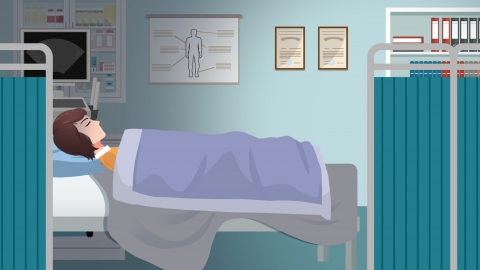
3. Strict Environmental Management: Create a quiet, dimly lit ward environment. Minimize stimuli such as noise and bright light that may trigger muscle spasms. Limit the number and visiting time of visitors, maintain cleanliness and proper ventilation to reduce the risk of cross-infection.
4. Appropriate Nutritional Support: Provide a high-calorie, high-protein, easily digestible diet. For patients unable to eat orally, administer nutrition via nasogastric feeding or intravenous fluids as prescribed. Ensure adequate energy supply and enhance resistance.
5. Medication Administration According to Medical Instructions: Strictly follow prescriptions when administering tetanus antitoxin, sedatives, and antispasmodic drugs. Monitor patient response after medication, avoid adjusting dosage or discontinuing medication without guidance, ensure therapeutic effectiveness, and prevent adverse drug reactions.
Maintain airway patency, regularly assist with turning and back tapping to facilitate sputum clearance, provide proper oral care to prevent oral infections, guide patients to gradually resume moderate activity after stabilization, advance diet progressively, and strictly follow healthcare professionals' instructions for comprehensive nursing care throughout the treatment process.


