


What are the principles of treatment for infectious diseases?

The principles for treating infectious diseases include early diagnosis and treatment, targeted etiological therapy, symptomatic and supportive care, controlling transmission routes, and protecting susceptible populations. Following these scientific principles can effectively control the disease and reduce its spread. If symptoms suggestive of an infectious disease—such as fever, rash, or vomiting—occur, prompt medical evaluation is recommended to establish a clear diagnosis.
1. Early diagnosis and early treatment: During the initial stage of an infectious disease, pathogens have not yet widely replicated or spread. Timely and accurate diagnosis followed by immediate treatment can rapidly suppress pathogen proliferation, reduce the risk of disease progression and transmission, and improve cure rates.
2. Targeted etiological treatment: Select medications based on the type of pathogen—for example, antibiotics for bacterial infections and antiviral drugs for viral infections. This precise approach acts directly on the causative agent and helps avoid blind medication use that could lead to drug resistance or ineffective treatment.
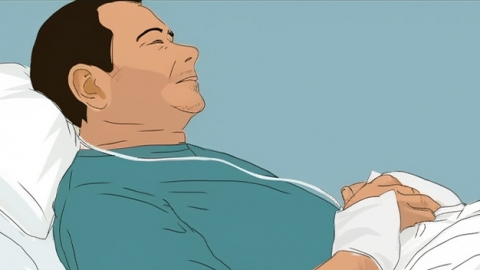
3. Symptomatic and supportive treatment: Manage symptoms such as fever, dehydration, and pain through measures like antipyretics, fluid replacement, and analgesics. This helps maintain the patient’s electrolyte balance and organ function, creating favorable physiological conditions for etiological treatment.
4. Controlling transmission routes: While treating patients, implement measures such as isolation, environmental disinfection, and proper disposal of waste to block pathogen transmission and prevent further spread, especially important for diseases transmitted via respiratory or digestive tracts.
5. Protecting susceptible populations: Provide preventive interventions such as vaccination or prophylactic medications to close contacts of infected individuals. This enhances immunity among vulnerable groups, reduces secondary infections, and establishes a comprehensive prevention and control loop.
In daily life, maintain personal hygiene by frequently washing hands and wearing masks, and avoid contact with individuals who have infectious diseases. Maintain regular sleep patterns, eat a balanced diet, and exercise moderately to strengthen resistance. Complete all recommended vaccinations to build a strong immune barrier.


