


What should I do if scarlet fever keeps recurring immediately after recovery?

Scarlet fever may recur after apparent recovery. Prompt follow-up evaluation, standardized completion of anti-infective treatment, identification of causes for reinfection, enhanced screening for complications, and strengthened immune support are essential. Recurrence is often associated with incomplete treatment or re-exposure to the pathogen and requires targeted interventions. If recurrence is accompanied by persistent high fever, difficulty breathing, joint swelling and pain, immediate medical attention is recommended.
1. Timely follow-up and assessment: Seek prompt medical evaluation upon recurrence to determine whether the initial infection was inadequately controlled or if a new streptococcal infection has occurred. Diagnosis should be confirmed through tests such as complete blood count and throat swab culture to avoid treatment delays.
2. Complete the anti-infective course properly: Strictly adhere to prescribed antibiotic regimens—take the full dose for the entire duration as directed. Do not discontinue or reduce medication prematurely on your own, to ensure complete eradication of the pathogen and minimize risks of drug resistance and recurrence.
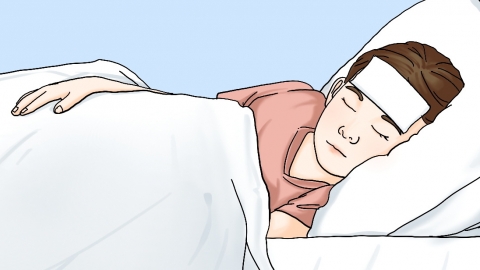
3. Identify potential causes of reinfection: Evaluate living environments for possible sources of infection. Avoid contact with individuals who have scarlet fever or carry the bacteria. Use separate personal items and disinfect them regularly. Practice frequent handwashing to block transmission routes.
4. Strengthen screening for complications: Recurrent episodes may increase the risk of complications such as rheumatic fever and nephritis. Monitor for symptoms like hematuria, edema, and palpitations, and promptly address any abnormalities detected.
5. Enhance immune support: Ensure adequate sleep, consume high-protein and vitamin-rich foods, drink plenty of water, and engage in moderate exercise to strengthen the body's immunity and reduce the likelihood of reinfection.
Maintain good indoor ventilation, change clothes frequently and sun-dry them for disinfection, and avoid crowded public places. Follow a light, easily digestible diet and avoid spicy or irritating foods to consolidate recovery and reduce the risk of recurrence.


