


How to treat eczema under the foreskin in phimosis

In general, the treatment methods for eczema under the foreskin in cases of phimosis mainly include basic care, topical medications, oral medications, physical therapy, and surgical treatment. A detailed analysis is as follows:
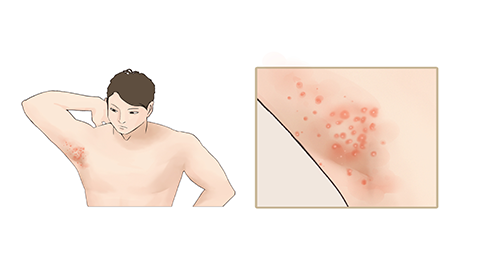
1. Basic Care
Phimosis creates a closed environment that easily accumulates dirt and irritates the skin, triggering or worsening eczema. It is necessary to retract the foreskin daily for cleaning—gently rinse with warm water and then dry thoroughly. Choose loose, breathable cotton underwear to avoid friction on the affected area. Maintain a light diet and avoid spicy or irritating foods.
2. Topical Medications
Topical medications act directly on the affected site to relieve inflammation and itching. Patients may use medications such as hydrocortisone butyrate cream, desonide cream, or tacrolimus ointment under medical guidance. Ensure the affected area is clean and dry before applying medication.
3. Oral Medications
Eczema is closely related to allergic reactions, and oral medications help regulate the body's condition from within. Under a doctor’s supervision, patients may take antihistamines such as cetirizine hydrochloride tablets, ebastine tablets, or loratadine syrup to help control allergic symptoms.
4. Physical Therapy
Physical therapy helps reduce local inflammation and accelerates skin healing. Commonly used methods include narrowband medium-wave ultraviolet (UVB) irradiation and red light therapy, which can alleviate local redness, swelling, and itching, promoting recovery from eczema. These treatments should be performed at professional medical facilities.
5. Surgical Treatment
If recurrent phimosis frequently triggers eczema outbreaks, resolving the phimosis is the fundamental solution. Circumcision can be performed to remove the excess foreskin, improving local ventilation, reducing accumulation of debris, and thereby lowering the risk of eczema recurrence at its source.
During treatment, patients must strictly follow medical instructions and should not discontinue or change medications on their own. Monitor changes in the affected area regularly; if symptoms such as exudation, pustules, or intensified itching occur, seek immediate medical review. Maintaining regular sleep patterns and enhancing physical health also contribute to recovery.


