


What are the spring epidemics?

Generally, common infectious diseases in spring mainly include influenza, measles, chickenpox, hand-foot-mouth disease, and norovirus gastroenteritis. Specific details are as follows:
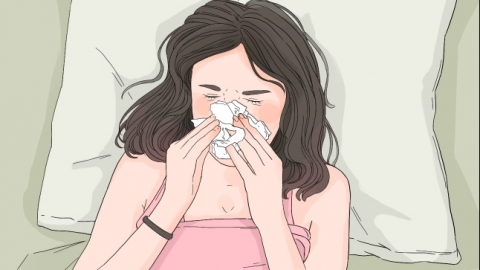
1. Influenza
Caused by the influenza virus, it is highly contagious and primarily spreads through respiratory droplets. Typical symptoms include high fever, headache, and muscle aches, often accompanied by cough, sore throat, and fatigue. Symptoms are more severe than those of the common cold, with a relatively longer recovery period. Elderly individuals, children, and other groups are prone to complications.
2. Measles
Caused by the measles virus, it commonly affects children and spreads via respiratory droplets. The initial phase resembles a cold, with symptoms such as fever, cough, and runny nose. This is followed by the appearance of Koplik spots (measles mucosal spots) in the mouth, then red maculopapular rashes over the entire body. Fever typically worsens during the rash phase.
3. Chickenpox
Caused by the varicella-zoster virus, it is extremely contagious and spreads through respiratory droplets and direct contact. Early symptoms include low-grade fever and malaise, followed by the development of macules, papules, and vesicles on the skin and mucous membranes. The fluid inside the vesicles is usually clear, and itching is common. Skin lesions appear in waves, so lesions at different stages can be seen simultaneously.
4. Hand-Foot-Mouth Disease
Mainly caused by enteroviruses, it commonly occurs in children under 5 years old and spreads through close personal contact. Typical symptoms include rashes or blisters on the hands, feet, and mouth. Some children may also experience fever and oral pain. Most cases are mild, but a small number may develop serious complications.
5. Norovirus Gastroenteritis
Caused by norovirus, it is highly contagious and spreads via the fecal-oral route. Main symptoms include sudden onset of vomiting and diarrhea, often accompanied by abdominal pain and nausea. Some patients may have low-grade fever and headache. The illness is usually short-lived but tends to cause outbreaks in group settings such as schools and childcare centers.
During spring, it's important to wash hands frequently, maintain good ventilation, and avoid crowded places. Children and susceptible individuals should receive relevant vaccines when available. If symptoms such as fever or rashes occur, prompt medical attention is needed along with proper isolation to prevent further spread of the disease.


