


What are the stages of HIV infection?

HIV infection is mainly divided into stages including the acute phase, asymptomatic infection phase, pre-AIDS phase, typical AIDS phase, and terminal phase. Symptoms in each stage are closely related to immune function status, and disease progression varies among individuals. If there has been a high-risk exposure or suspected symptoms appear, it is recommended to seek medical attention promptly for testing and diagnosis.
1. Acute phase: Occurs 2–4 weeks after infection, with flu-like symptoms such as fever, headache, fatigue, swollen lymph nodes, sore throat, and rash. These symptoms typically last 1–3 weeks and then resolve spontaneously. During this period, the virus replicates extensively in the body and is highly transmissible.
2. Asymptomatic infection phase: This stage can last for several years. Infected individuals may have no obvious discomfort, but the virus continues to replicate and gradually damages the immune system, leading to a progressive decline in CD4+ T lymphocyte count. The person remains infectious, and infection can only be detected through testing.
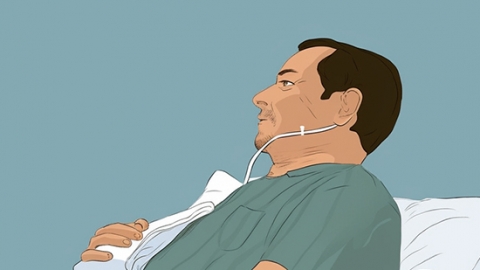
3. Pre-AIDS phase: Immune system damage worsens, leading to persistent symptoms such as generalized lymphadenopathy, recurrent fever, night sweats, weight loss, and diarrhea. Opportunistic infections like oral candidiasis and herpes zoster may also occur. Symptoms are relatively mild but persistent.
4. Typical AIDS phase: Marked by a significant decrease in CD4+ T lymphocyte count, this stage involves severe opportunistic infections such as Pneumocystis pneumonia, tuberculosis, and toxoplasmosis. It may also include malignancies like Kaposi's sarcoma, with severe symptoms that threaten health.
5. Terminal phase: Characterized by complete collapse of immune function, with multiple severe complications such as life-threatening infections and organ failure. Bodily functions deteriorate severely. Without timely intervention and treatment, this stage leads to death and is associated with difficult treatment and poor prognosis.
Daily management should include maintaining regular作息 (sleep-wake cycles) and avoiding overexertion, eating a balanced diet rich in nutrients to strengthen physical condition, avoiding smoking and alcohol to reduce bodily stress, maintaining a positive mindset and cooperating with treatment, practicing personal protection to prevent transmission to others, and undergoing regular monitoring of immune function indicators.


