


How long can the HIV virus survive?

HIV has a very short survival time in the external environment and becomes inactive within minutes to hours after leaving the human body's bodily fluids. It cannot survive for more than one hour in dry conditions and cannot be transmitted through casual daily contact. If high-risk behavior or potential exposure occurs, it is recommended to seek medical attention promptly for testing and intervention.
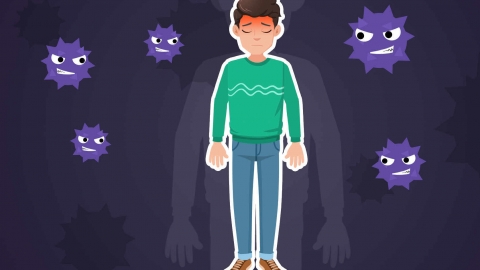
HIV relies on human bodily fluids to survive and rapidly loses infectivity outside such environments—such as in blood or semen—due to unsuitable conditions. When exposed to air or surfaces, influenced by factors like increased temperature and drying, the virus's protein coat quickly breaks down, rendering it non-infectious.
In undried bodily fluids, HIV may survive longer; for example, it can remain viable for several days in blood samples. However, this only occurs under specific laboratory conditions. In everyday situations, the concentration of HIV in saliva, sweat, and similar fluids is extremely low, and these fluids contain substances that inhibit viral activity, making transmission impossible.
To prevent infection, avoid sharing items that might come into contact with blood, such as syringes or toothbrushes, and always use condoms correctly during sexual activity to ensure personal protection. After contact with potentially contaminated materials, promptly wash hands with soap and water. There is no need to fear casual contact; practicing science-based preventive measures effectively reduces the risk of infection.


