


What causes the liver's production of blood, and what should be done about it?

Under normal circumstances, abnormal liver blood production may be caused by factors such as nutritional deficiencies, physical exhaustion, iron-deficiency anemia, chronic hepatitis B, or liver fibrosis. It is recommended to seek timely medical attention, identify the underlying cause, and then improve the condition under professional guidance through general treatments, medication, and other approaches. A detailed analysis is as follows:
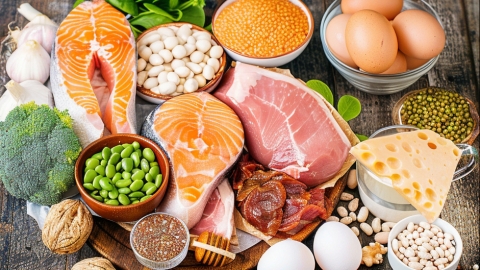
1. Nutritional deficiency: An unreasonable daily diet lacking sufficient intake of essential nutrients such as protein, iron, and vitamins can deprive the liver of the raw materials needed for blood synthesis, thereby reducing its ability to produce blood. Adjust the diet by increasing consumption of high-quality protein-rich foods like lean meat, fish, and legumes, and eat more iron-rich foods such as spinach and red dates to ensure balanced nutrition.
2. Physical exhaustion: Prolonged heavy physical labor or intense exercise leads to excessive energy consumption and increased burden on the liver, impairing its normal blood-producing function. Ensure adequate rest, avoid overexertion, maintain 7–8 hours of sleep per day, and engage in gentle stretching exercises to relax the body.
3. Iron-deficiency anemia: Iron is a key component in hemoglobin synthesis; insufficient iron reduces hemoglobin production and affects the liver’s hematopoietic function, often accompanied by symptoms such as fatigue and tiredness. Treatment may include medications prescribed by a doctor, such as ferrous succinate sustained-release tablets, polysaccharide-iron complex capsules, or dextran iron dispersible tablets, to replenish iron stores and promote blood formation.
4. Chronic hepatitis B: Persistent infection with the hepatitis B virus triggers inflammatory responses in the liver. Long-term inflammation damages liver cells, impairing liver metabolism and blood production, with symptoms including loss of appetite and nausea. Treatment options may include antiviral medications such as entecavir capsules, tenofovir alafenamide fumarate tablets, or lamivudine tablets, which suppress viral replication and reduce liver inflammation.
5. Liver fibrosis: Prolonged stimulation from inflammation or other factors causes excessive growth of fibrous tissue in the liver, reducing the number of healthy liver cells and altering liver structure and function, leading to decreased blood-producing capacity. Symptoms may include discomfort in the liver area and abdominal distension. Doctors may prescribe medications such as Compound Biejia Ruangan Tablets, Anluo Huaxian Pills, or Fuzheng Huayu Capsules to improve the degree of liver fibrosis.
Maintain a light and easily digestible diet in daily life, consume more protein-rich foods such as eggs and milk to enhance bodily resistance. Keep a cheerful mood, avoid large emotional fluctuations, and reduce stress on the liver.


