


What are the efficacy and effects of clindamycin phosphate tablets?
Dec 03, 2025
Source: Cainiu Health

Dr. Li Feng
Introduction
As a lincosamide antibiotic, clindamycin phosphate tablets exert their efficacy and effects primarily by combating Gram-positive bacteria, treating respiratory tract infections, managing skin and soft tissue infections, controlling anaerobic bacterial infections, and assisting in the treatment of bone and joint infections. This medication should be used strictly according to medical instructions. It is contraindicated in individuals with known hypersensitivity to lincosamide antibiotics, and gastrointestinal adverse reactions may occur during treatment.
As a lincosamide antibiotic, clindamycin phosphate tablets have the following main effects and functions: anti-Gram-positive bacteria, treatment of respiratory tract infections, management of skin and soft tissue infections, control of anaerobic bacterial infections, and adjunctive treatment of bone and joint infections. The detailed analysis is as follows:
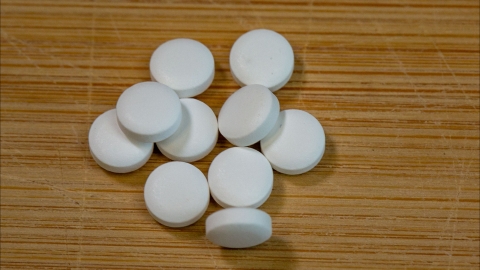
1. Anti-Gram-positive bacteria: The drug exerts a strong inhibitory effect against Gram-positive bacteria such as Staphylococcus aureus and streptococci by suppressing bacterial protein synthesis, thereby preventing bacterial growth and reproduction and achieving antibacterial effects.
2. Treatment of respiratory tract infections: It is suitable for infections caused by susceptible bacteria, including tonsillitis, bronchitis, and pneumonia. It effectively eliminates pathogenic bacteria in respiratory lesions and alleviates symptoms such as fever, cough, and sputum production.
3. Management of skin and soft tissue infections: It shows good efficacy against skin and soft tissue infections such as boils, cellulitis, and impetigo. It helps inhibit bacterial spread, reduce inflammatory responses like redness and pain, and promote wound healing.
4. Control of anaerobic bacterial infections: It effectively kills pathogenic anaerobes such as Bacteroides fragilis that cause intra-abdominal and pelvic infections, relieving discomfort due to infection and preventing its progression.
5. Adjunctive treatment of bone and joint infections: It can be used for conditions such as osteomyelitis and suppurative arthritis caused by susceptible bacteria. The drug penetrates into bone tissue, inhibits bacterial activity, helps control infection, and improves joint function.
The medication must be used strictly according to medical instructions. It is contraindicated in patients allergic to lincosamides. Gastrointestinal side effects may occur during treatment, and liver and kidney function should be monitored with long-term use. Dosage adjustments should not be made without medical supervision.




