What are the symptoms of schistosomiasis?
Dec 03, 2025
Source: Cainiu Health

Dr. Li Feng
Introduction
In general, schistosomiasis is a parasitic disease caused by Schistosoma infection, and symptoms vary depending on the stage of the disease. Common manifestations include fever, fatigue, abdominal pain, diarrhea, hepatosplenomegaly, skin itching, rashes, and mucous bloody stools. Schistosomiasis is primarily transmitted through contact with contaminated water. Individuals experiencing symptoms should seek medical evaluation promptly. In daily life, contact with untreated contaminated water should be avoided.
Schistosomiasis, a parasitic disease caused by Schistosoma infection, presents different symptoms depending on the stage of illness. Common manifestations include fever and fatigue, abdominal pain and diarrhea, hepatosplenomegaly, itchy skin rashes, and mucus-blood stools. The details are as follows:
1. Fever and fatigue: After acute infection, fever is common, with body temperature typically ranging from 38°C to 40°C. The fever pattern is irregular and may last for several weeks. It is often accompanied by significant fatigue, lethargy, and exhaustion even after mild physical activity, affecting daily work and life.
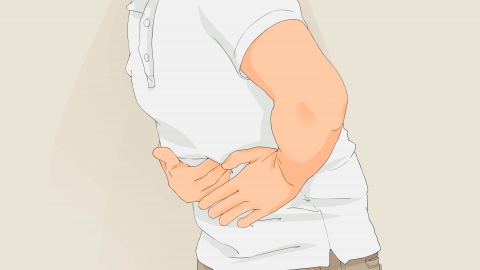
2. Abdominal pain and diarrhea: The intestines are irritated by the parasites and their secretions, leading to dull or bloating abdominal pain, usually around the navel or lower abdomen. Diarrhea frequently occurs, with loose stools several times a day. In some patients, diarrhea alternates with constipation.
3. Hepatosplenomegaly: Schistosome eggs accumulate in the liver, triggering inflammation and resulting in liver enlargement. A swollen liver can be felt upon palpation of the right upper abdomen, often accompanied by dull pain. As the disease progresses, the spleen also gradually enlarges and becomes harder in texture.
4. Skin itching and rashes: When cercariae penetrate the skin, localized itching may occur, followed by red papules or macular rashes. These rashes commonly appear on areas exposed to contaminated water, such as hands, feet, and lower legs, and usually resolve spontaneously within a few days.
5. Mucus and blood in stool: In chronic or advanced cases, severe damage to the intestinal mucosa leads to erosion and ulceration. Stools may contain mucus and pus mixed with blood, accompanied by tenesmus. Long-term effects may include anemia and weight loss.
Schistosomiasis is mainly transmitted through contact with contaminated water. Individuals experiencing symptoms should seek medical evaluation promptly. In daily life, avoid contact with untreated contaminated water, practice personal protection, follow medical advice for complete course and dosage of treatment upon diagnosis, and undergo regular follow-up examinations.