


What are the symptoms after syphilis infection?

Generally, syphilis is a chronic infectious disease caused by *Treponema pallidum*. Symptoms vary at different stages after infection and mainly include hard chancre, inguinal lymphadenopathy, syphilitic rash, mucous patches, and ulcerative lesions of the skin and mucous membranes. The details are as follows:
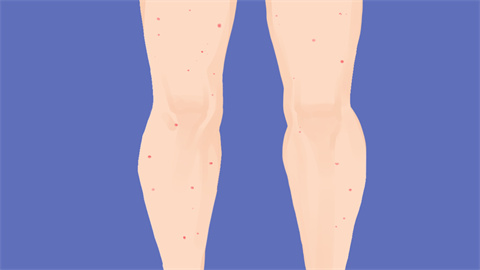
1. Hard chancre: Appears 2–4 weeks after infection, commonly occurring at sites of contact such as the genitals or anus. It presents as a single, painless, round or oval-shaped ulcer with clear borders, firm in consistency (similar to cartilage), and a clean surface. It may resolve spontaneously within several weeks.
2. Inguinal lymphadenopathy: Develops alongside the hard chancre. Multiple lymph nodes on the affected side of the groin enlarge, varying in size, firm in texture, without pain or tenderness. The nodes have smooth surfaces, are not adherent to surrounding tissues, remain mobile, and subside slowly.
3. Syphilitic rash: Occurs during secondary syphilis, around 7–10 weeks after infection. A widespread, symmetric rash appears on the skin and mucous membranes, presenting in various forms such as macules, papules, or pustules. It causes little or no itching. Characteristically, rashes on the palms and soles are often accompanied by collarette-like desquamation.
4. Mucous patches: During secondary syphilis, gray-white flat lesions may appear on mucous membranes of the mouth, throat, or genital areas. These patches have smooth surfaces, well-defined borders, and are typically painless. They contain large numbers of *Treponema pallidum* and are highly contagious. They may resolve spontaneously within several weeks.
5. Ulcerative skin and mucous membrane lesions: In tertiary syphilis, nodular syphilitic eruptions and gummas develop. Nodular lesions may break down into ulcers. Gummas are soft in consistency and, when ruptured, discharge a thick, glue-like exudate. The ulcers have neat edges and leave prominent scars upon healing.
Syphilis is highly contagious and poses serious health risks. Individuals experiencing related symptoms should seek timely medical evaluation and standardized treatment. Sexual activity should be avoided during treatment, and sexual partners should be examined and treated simultaneously. Regular follow-up examinations after treatment are essential to ensure complete control of the disease.


