What are the symptoms of late-stage pulmonary tuberculosis?
Dec 03, 2025
Source: Cainiu Health

Dr. Ren Yi
Introduction
In general, advanced pulmonary tuberculosis causes severe lung damage and often affects multiple systems throughout the body. Typical symptoms include worsening hemoptysis, dyspnea, persistent low-grade fever with night sweats, weight loss, fatigue, and intensified cough with sputum production. Patients in the advanced stage must strictly follow medical instructions to complete standardized treatment, ensure adequate nutritional intake, and consume more high-protein, high-vitamin foods.
In general, in the late stages of pulmonary tuberculosis, lung damage is severe and the disease often affects multiple systems throughout the body. Typical symptoms mainly include worsening hemoptysis, dyspnea, persistent low-grade fever with night sweats, weight loss, fatigue, and aggravated cough with sputum production. A detailed analysis is as follows:
1. Worsening Hemoptysis: In advanced stages, lesions erode blood vessels in the lungs, making hemoptysis more pronounced. It may progress from blood-tinged sputum to mild hemoptysis, and in severe cases, massive hemoptysis can occur. If large vessels rupture, there is a risk of asphyxiation, requiring emergency intervention.
2. Dyspnea (Breathing Difficulty): Extensive destruction of normal lung tissue leads to severely impaired lung function. Patients frequently experience significant breathing difficulty, which worsens with physical activity. In severe cases, shortness of breath occurs even at rest, accompanied by chest tightness and wheezing.
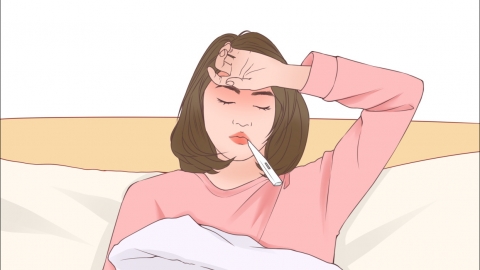
3. Persistent Low-Grade Fever and Night Sweats: With continued activity of *Mycobacterium tuberculosis*, the body remains in a prolonged inflammatory state. Patients develop persistent low-grade fever, typically with body temperatures ranging between 37.5°C and 38°C. Night sweats are prominent, often drenching clothes and bedding upon awakening, accompanied by dry mouth and fatigue.
4. Weight Loss and Fatigue: Due to long-term chronic consumption and impaired nutrient absorption, patients experience rapid weight loss and marked emaciation. This is accompanied by extreme fatigue, lethargy, and exhaustion even after minimal exertion, sometimes rendering them unable to perform simple daily activities.
5. Aggravated Cough and Sputum Production: Cough becomes more frequent and severe, with increased sputum volume. The sputum is often purulent or mucoid, and in some patients may contain necrotic tissue. If secondary infection occurs, the sputum may have an unpleasant odor. Severe coughing can also cause chest pain.
Patients with advanced disease must strictly adhere to medical instructions for standardized treatment, ensure adequate nutritional intake—especially high-protein and high-vitamin foods—avoid overexertion and cold exposure, and maintain good indoor ventilation to support disease management.