


What are the effects of clindamycin palmitate hydrochloride dispersible tablets?
Dec 03, 2025
Source: Cainiu Health

Dr. Li Feng
Introduction
Under normal circumstances, clindamycin palmitate hydrochloride dispersible tablets, as a lincosamide antibiotic, exert their effects primarily through anti-gram-positive bacterial activity, treating anaerobic bacterial infections, managing skin and soft tissue infections, controlling respiratory tract infections, and addressing oral and periodontal infections. This medication is a prescription drug and must be used strictly according to medical instructions; patients should not adjust the dosage or modify the treatment course on their own.
Under normal circumstances, as a lincosamide antibiotic, clindamycin hydrochloride palmitate dispersible tablets exert their effects mainly through the following actions: anti-gram-positive bacterial activity, treatment of anaerobic bacterial infections, management of skin and soft tissue infections, control of respiratory tract infections, and addressing oral and periodontal infections. A detailed analysis is as follows:
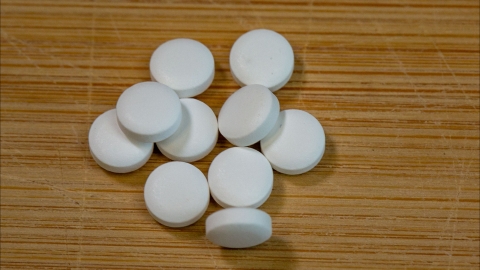
1. Anti-gram-positive bacteria: This medication inhibits various gram-positive bacteria, such as Staphylococcus aureus and Streptococcus species. By suppressing bacterial protein synthesis, it prevents bacterial growth and reproduction, thereby eliminating susceptible bacteria. It is suitable for treating infections caused by these types of bacteria.
2. Anti-anaerobic infection: The drug exhibits good antibacterial activity against common anaerobic bacteria, including Bacteroides fragilis and Fusobacterium species. Anaerobic infections often occur in areas such as the abdominal cavity and pelvic region. The medication can specifically inhibit the activity of these pathogens, alleviating inflammation and discomfort caused by infection.
3. Treatment of skin and soft tissue infections: It is commonly used for folliculitis, furuncles (boils), cellulitis, and other skin and soft tissue infections. The drug reaches the infected sites via systemic circulation, exerts its antibacterial effect, promotes resolution of inflammation, and accelerates wound healing.
4. Control of respiratory tract infections: It is effective against respiratory infections caused by susceptible bacteria, such as tonsillitis, pharyngitis, and bronchitis. By inhibiting pathogenic bacteria in the respiratory tract, it reduces mucosal inflammatory responses and alleviates symptoms such as cough and sore throat.
5. Management of oral and periodontal infections: It is indicated for oral infections such as gingivitis and periodontitis. The drug suppresses pathogenic bacteria in the oral cavity, reduces gum redness, swelling, and pain, improves the condition of oral infection, and supports the treatment of oral diseases.
This medication is a prescription drug and must be used strictly according to medical instructions. Patients should not adjust the dosage or duration of treatment on their own. Prior to administration, the type of bacterial infection and antimicrobial susceptibility test results should be clearly identified to ensure accurate and safe use of the drug and to prevent the development of antibiotic resistance.




