


What are the symptoms of getting COVID-19?

Generally, after being infected with the novel coronavirus, common symptoms include fever and headache, sore throat, cough with phlegm, fatigue and drowsiness, nasal congestion and runny nose. A detailed analysis is as follows:
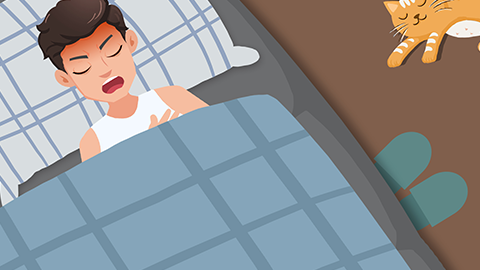
1. Fever and headache: Fever is a typical symptom following infection, with body temperature often exceeding 37.3°C. Some individuals may develop high fever above 39°C, which is frequently accompanied by a throbbing headache. The duration of fever varies among individuals but usually lasts 1–3 days. During high fever, additional symptoms such as chills and body aches in limbs may occur.
2. Sore throat: Throat discomfort typically presents as dryness and a burning sensation, with pain worsening during swallowing. In severe cases, it can even affect eating and speaking. The throat mucosa may become congested, and some people may feel a sensation of blockage. Pain might temporarily intensify after coughing.
3. Cough with phlegm: Initially, the cough is mostly paroxysmal and dry. As the illness progresses, small amounts of white, sticky sputum may appear. Coughing often worsens at night or upon waking in the morning. This is a protective response triggered by viral irritation of the respiratory mucosa, and frequent coughing can disrupt sleep quality.
4. Fatigue and drowsiness: After infection, the body's immune system becomes highly active, increasing energy consumption and leading to noticeable fatigue, heaviness in limbs, and increased exhaustion after physical activity. Drowsiness, lethargy, difficulty concentrating, and feeling tired even during simple daily tasks are also common.
5. Nasal congestion and runny nose: Viral invasion of the upper respiratory tract causes congestion and swelling of the nasal mucosa, resulting in nasal blockage and breathing difficulties. Some individuals may need to breathe through their mouths. Runny nose typically starts as watery discharge, which may later become thicker. Frequent wiping can cause redness around the nasal skin.
Symptoms following COVID-19 infection vary in severity. Once symptoms appear, individuals should isolate themselves, ensure adequate sleep, drink plenty of warm water to promote metabolism, and maintain a light yet nutritious diet to support faster recovery.


