


What to do about influenza and chickenpox
Dec 03, 2025
Source: Cainiu Health

Dr. Liu Wenmin
Introduction
To manage influenza and chickenpox, timely isolation and protection, early antiviral treatment, symptomatic relief, enhanced skin care, and immune support are required. Both are infectious diseases, so treatment and prevention must be addressed simultaneously. If persistent high fever, difficulty breathing, or secondary infection of the rash occurs, prompt medical attention is recommended.
To manage influenza and chickenpox, timely isolation and protection, early antiviral treatment, symptomatic relief, enhanced skin care, and immune system support are required. Both are infectious diseases, so treatment and prevention must be addressed simultaneously. Seek medical attention promptly if persistent high fever, difficulty breathing, or secondary infection of rashes occurs.
1. Timely isolation and protection: Isolate individuals with influenza until 2 days after symptoms resolve, and isolate those with chickenpox until all rashes have crusted over. Avoid contact with others to prevent transmission. Maintain good ventilation in the patient's living environment and use separate personal items, which should be regularly disinfected.
2. Early antiviral treatment: For influenza, antiviral medications such as oseltamivir may be used within 48 hours of symptom onset, as directed by a physician. For severe cases or high-risk individuals with chickenpox, early administration of acyclovir is recommended. Medication should be dosed according to age and weight, and patients should not adjust the dosage on their own.
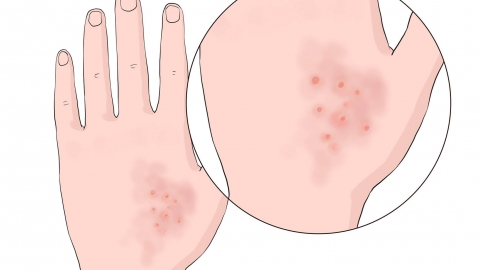
3. Symptomatic symptom relief: Use acetaminophen or ibuprofen for high fever. Cough and phlegm associated with influenza can be managed with cough suppressants and expectorants. For skin itching caused by chickenpox, apply calamine lotion externally. Avoid aspirin to prevent adverse reactions.
4. Enhanced skin care: Patients with chickenpox should keep their skin clean and avoid scratching blisters to prevent secondary infections. Apply mild disinfectants to broken rashes and wear loose clothing to minimize skin friction.
5. Strengthening the immune system: Ensure adequate sleep and rest, drink plenty of fluids to stay hydrated, and consume a light, easily digestible, and nutritious diet. Avoid spicy and irritating foods to help the body fight off the virus.
Maintain regular daily routines and a balanced diet, engage in moderate exercise to boost resistance, avoid crowded places during peak influenza and chickenpox seasons, get vaccinated according to guidelines, and practice good personal hygiene and protective measures.



