


How long can the third dose of the hepatitis B vaccine be delayed? Will delaying it by half a month increase the risk of infection?

Under normal circumstances, the third dose of the hepatitis B vaccine can be delayed by 1–2 months. A delay of half a month typically does not lead to infection, but it may affect the efficiency of antibody production. If concerned, it is recommended to consult a healthcare provider in advance. Detailed analysis is as follows:
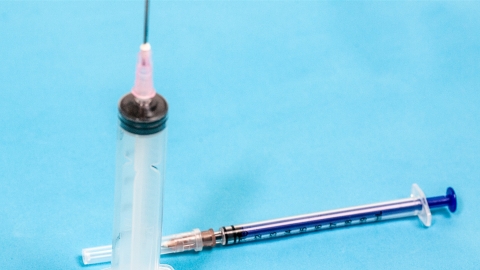
If the first two doses have been administered according to schedule and the body has already developed a certain level of baseline antibodies, delaying the third dose by half a month will not result in hepatitis B infection, as the existing baseline antibodies can still provide protection. However, the delay might postpone the time when peak antibody levels are reached. After catching up on the missed dose, antibody levels should be tested to confirm whether they have reached an adequate level.
If the first two doses were irregularly administered or if effective baseline antibodies have not yet developed, although the direct risk of infection remains low, delaying the third dose by half a month may slightly increase the likelihood of infection upon exposure to the hepatitis B virus due to insufficient antibody protection. In such cases, the third dose should be administered as soon as possible, and antibody development should be monitored afterward.
Hepatitis B vaccination should be completed according to the recommended schedule whenever possible. If a dose is delayed, it should be caught up promptly. After completing the series, consult a doctor to determine whether antibody testing is needed. Additionally, individuals should continue to avoid contact with blood or bodily fluids of unknown origin and maintain proper personal protection in daily life.


