


What are the symptoms of ascending infection in females?

Typical symptoms of ascending infection in women include lower abdominal pain, abnormal vaginal discharge, discomfort during urination, soreness in the lumbar and sacral regions, menstrual disorders, etc. If symptoms persist for more than 3 days or are accompanied by fever, timely medical evaluation is necessary to identify the causative pathogen.
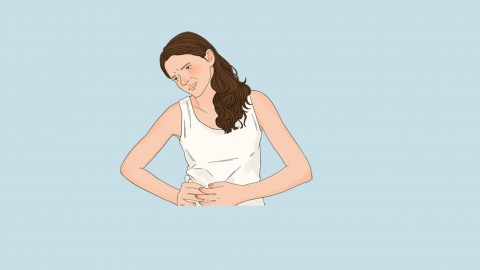
1. Lower abdominal pain: Often presents as persistent dull or distending pain, worsening with physical activity, caused by pelvic tissue inflammation and congestion due to infection. Some patients may also experience a sensation of heaviness in the lower abdomen.
2. Abnormal vaginal discharge: Increased volume with changes in consistency, appearing purulent or mucopurulent, yellowish or greenish in color, often accompanied by an unpleasant odor, resulting from inflammatory exudation of the genital mucosa.
3. Urinary discomfort: Symptoms include frequent urination, urgency, dysuria, and a burning sensation in the urethra during urination, caused by urethral irritation from inflammation or concurrent urinary tract infection. In severe cases, a feeling of incomplete bladder emptying may occur.
4. Lumbar and sacral soreness: Aching and dull pain in the lower back and sacrococcygeal area, becoming more noticeable after exertion, due to inflammation spreading to pelvic connective tissues and causing radiating pain by compressing surrounding nerves.
5. Menstrual disorders: Manifested as irregular menstrual cycles, increased or decreased menstrual flow, prolonged periods, or irregular bleeding, associated with pelvic inflammation affecting endocrine regulation.
Daily care includes maintaining cleanliness and dryness of the external genitalia, washing with warm water daily, avoiding frequent douching, changing cotton underwear regularly and sun-drying them for disinfection, practicing safe sex to prevent unhygienic contact, ensuring adequate rest to avoid excessive fatigue, and enhancing overall immunity.


