


Can I obtain a health certificate if I have "big three positive" hepatitis and normal liver function?
Dec 03, 2025
Source: Cainiu Health

Dr. Huang Yuhong
Introduction
If you are not working in positions involving food processing, catering services, early childhood education, or other roles with direct contact with food for consumption or infants, and if liver function indicators such as alanine aminotransferase (ALT) and aspartate aminotransferase (AST) are normal, with no symptoms of hepatitis such as jaundice or fatigue, most regions allow you to obtain a health certificate. Although these individuals carry the virus, there is no significant liver damage, and the risk of transmission through daily contact is low.
Generally, whether individuals with positive "big three" hepatitis B markers but normal liver function can obtain a health certificate depends on their occupation. If in doubt, it is recommended to consult the local Center for Disease Control and Prevention (CDC) in advance. Detailed analysis is as follows:
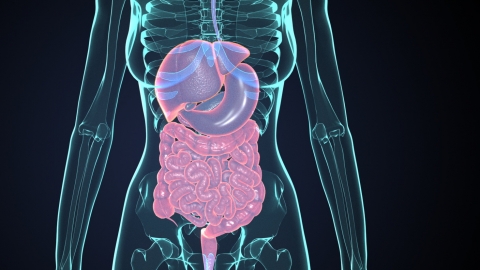
If not working in occupations involving direct contact with food or infants—such as food processing, catering services, or early childhood education—and if liver function indicators (e.g., alanine aminotransferase, aspartate aminotransferase) are within normal ranges without symptoms of hepatitis such as jaundice or fatigue, most regions permit issuance of a health certificate. Although these individuals carry the virus, their livers show no significant damage, and the risk of transmission through daily contact is low.
However, if employed in one of the aforementioned high-risk industries, or if liver enzyme levels exceed twice the upper limit of normal or ultrasound reveals signs of liver cirrhosis, the individual may be deemed ineligible. In such cases, active viral replication and high infectivity are present, requiring antiviral treatment first. The health certificate can be re-applied for after the condition stabilizes.
Prior to application, it is advisable to complete tests including quantitative HBV DNA and liver ultrasound to assess personal health status. Daily habits should avoid alcohol consumption and staying up late. Regular monitoring of liver function and viral load is essential, and medical attention should be sought promptly if abnormalities arise.



